Looksmaxxing Tiers Explained: From LTN to Chad

The looksmaxxing tier system is a rating scale from online communities that ranks physical attractiveness using specific labels from "subhuman" to "Chad." This hierarchy emerged from incel forums and spread to TikTok, where millions of teens now encounter it daily. You need to know about this because your children or grandchildren might be absorbing these toxic beauty standards, which link self-worth directly to appearance ratings. The system uses dehumanizing terminology and pseudoscientific measurements that can trigger body dysmorphia and anxiety in young people.
Table of Contents
- What Is the Looksmaxxing Tier System and Why Should You Know About It?
- The Origins: From Internet Forums to TikTok Trends
- Why This Rating System Is Trending Among Young People
- Understanding the Complete Tier Hierarchy: From 'Subhuman' to 'Chad'
- Lower Tiers: 'Subhuman' Through LTN (Lower Tier Normie)
- Middle Tiers: MTN and HTN (Mid and High Tier Normie)
- Top Tiers: Chadlite, Chad, and Beyond
- The PSL Scale: How Looksmaxxers Actually Measure and Rate Appearance
- Physical Features That Determine Tier Placement
- How These Standards Compare to Traditional Beauty Norms
- The Concerning Impact: Mental Health and Social Effects of Tier-Based Thinking
- Psychological Risks for Young Men and Women
- When Self-Improvement Becomes Self-Harm
- Red Flags Parents and Grandparents Should Watch For
- What You Can Do: Responding to Looksmaxxing Culture With Perspective and Support
What Is the Looksmaxxing Tier System and Why Should You Know About It?
If you've overheard teens talking about "Chads" or seen them obsessing over jawlines in bathroom mirrors, you're witnessing looksmaxxing culture firsthand. This isn't just kids being vain, it's exposure to a structured belief system about human worth based entirely on facial measurements and appearance hierarchies.
The tier system operates like a video game ranking applied to human faces. Each tier represents a perceived level of attractiveness, with specific physical characteristics supposedly determining where someone falls. According to NBC News, posts referencing these rating scales and tiers have gained significant traction on TikTok, where users share tips on moving up the perceived hierarchy.
Understanding this matters because it helps you recognize warning signs. When a teenager starts measuring facial features obsessively or using terms like "LTN" or "mewing," they've likely encountered this content. These aren't harmless acronyms, they're entry points into communities that can seriously distort how young people see themselves and others.
The Origins: From Internet Forums to TikTok Trends
Looksmaxxing terminology originated in PSL (Plastic Surgery Looks) forums and incel communities during the 2010s. These were fringe spaces where men discussed appearance improvement with an obsessive, sometimes misogynistic lens. The rating systems developed there claimed to objectively measure attractiveness through facial analysis.
Then TikTok happened, and the algorithm doesn't distinguish between niche forum culture and mainstream content. According to NBC News, the term "looksmaxxing" originated in incel forums before spreading to TikTok, where it gained significant traction among teenage boys. What started as extreme ideology got repackaged as self-improvement advice for millions of impressionable viewers.
Now you'll find looksmaxxing content mixed into regular grooming tips and fitness advice. A teen searching for "how to clear acne" might end up watching videos about facial bone structure and tier rankings. The migration from forums to social media mainstreamed language that was designed to be cruel, honestly, and that cruelty doesn't disappear just because the platform changed.
Why This Rating System Is Trending Among Young People
Young people face unprecedented appearance pressure from social media. Every selfie becomes a performance, every photo gets likes (or doesn't). Looksmaxxing offers what looks like a solution: specific, measurable steps to "improve" appearance and gain social validation.
The appeal lies in the gamification. If you're an "LTN," you can supposedly level up to "MTN" by following certain protocols, creating the illusion of control in an age where teens feel powerless about many things. According to research cited by mental health professionals, these rigid beauty standards and constant self-evaluation can contribute to body dysmorphia and low self-worth among impressionable teens.
Social media amplifies everything. One viral video about "mewing" or "hunter eyes" reaches millions overnight. Algorithms favor engagement, and appearance content generates massive engagement. Kids see their peers discussing these concepts, making it feel normal rather than niche. The commercialization doesn't help either, businesses now market specialized products directly to the looksmaxxing community, turning insecurity into profit.
Understanding the Complete Tier Hierarchy: From 'Subhuman' to 'Chad'
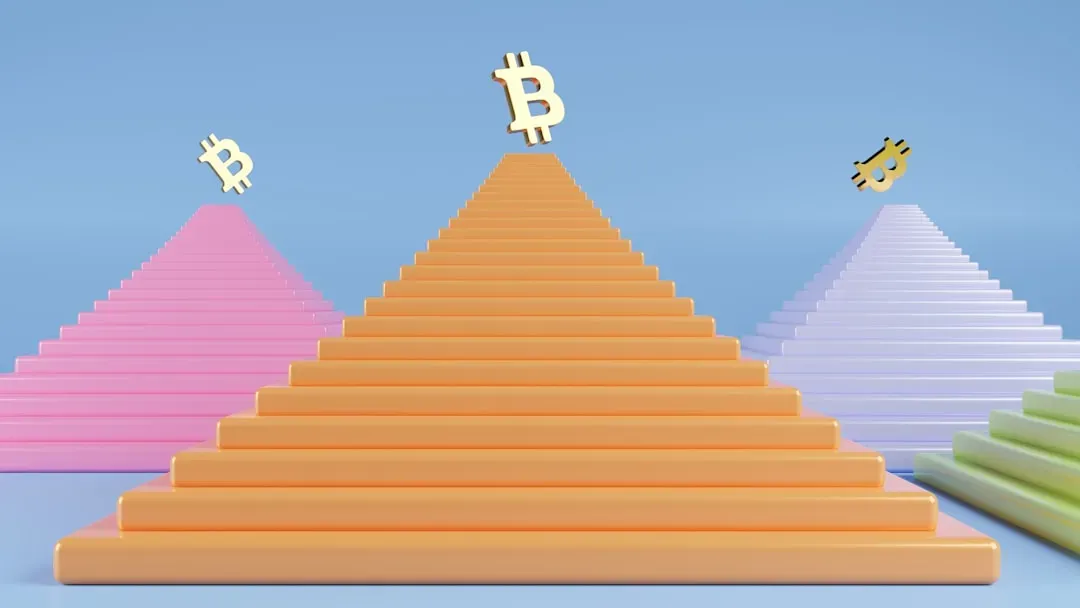
The tier system uses a combination of numerical ratings (1-10 scale) and specific terminology. Each tier supposedly corresponds to measurable facial characteristics and social outcomes. This isn't scientific classification, it's a value system dressed up as objective analysis.
Looksmaxxing Tier System Hierarchy
| Tier Level | Tier Name(s) | Description | Characteristics |
|---|---|---|---|
| Lowest | Subhuman | Below the standard rating scale | Considered to have severe facial/physical limitations according to the system |
| Lower-Middle | LTN (Lower Tier Normie) | Below average attractiveness | Faces perceived as unattractive by community standards |
| Middle | MTN (Mid Tier Normie) | Average attractiveness | Typical appearance; considered socially functional |
| Upper-Middle | HTN (High Tier Normie) | Above average attractiveness | Notably attractive but not elite |
| High | Chadlite | Very attractive | Close to top-tier attractiveness |
| Highest | Chad | Elite attractiveness | Perceived as maximally attractive with ideal facial structure |
Most people fall somewhere in the middle tiers. The extremes (both bottom and top) represent idealized concepts rather than real human diversity. According to reporting on looksmaxxing communities, the tier system includes terms ranging from "subhuman" at the bottom to "Chad" at the top, with intermediate categories like LTN and HTN.
What makes this particularly harmful is the language itself. These aren't neutral descriptors, they're loaded terms that reduce human beings to appearance scores. When someone internalizes being called "subhuman" or even just "low-tier normie," it shapes how they see their fundamental worth.
Lower Tiers: 'Subhuman' Through LTN (Lower Tier Normie)
The bottom tier uses the term "subhuman," which should immediately signal how toxic this system is. This represents ratings of 1-4 on the ten-point scale. The term comes directly from incel ideology, where it describes men supposedly excluded from romantic consideration due to appearance.
LTN (Lower Tier Normie) sits at roughly 5-6 out of 10. This category supposedly includes people with below-average but not severely unattractive features. Adherents might describe someone as LTN if they have asymmetrical features, weak jawlines, or other characteristics deemed undesirable by community standards.
The psychological damage of internalizing these labels is severe. Calling any human being "subhuman" based on facial structure is dehumanizing by design. Even "normie" carries dismissive connotations, suggesting that average appearance makes someone unremarkable or inferior.
Middle Tiers: MTN and HTN (Mid and High Tier Normie)
MTN (Mid Tier Normie) represents 6-7 on the scale, supposedly the average range where most people fall. These individuals have "acceptable" features without standout characteristics. HTN (High Tier Normie) sits at 7-8, indicating above-average appearance with some attractive features but not model-level looks.
Even these neutral-sounding terms reflect problematic thinking. "Normie" itself originated as internet slang for people outside specific online communities. Applied to appearance, it suggests that being average is somehow a problem requiring correction rather than a normal human state.
The middle tiers create anxiety because they're where most people land. Teens who discover they're "just" MTN feel pressure to optimize their way upward. Worth noting: the system makes average feel like failure.
Top Tiers: Chadlite, Chad, and Beyond
Chadlite (8-8.5 out of 10) represents very attractive individuals who don't quite reach the top tier. Chad (8.5-9 out of 10) is the aspirational category, supposedly men who effortlessly attract romantic attention due to superior facial structure and physical presence.
The term "Chad" originated in incel forums as shorthand for conventionally attractive, socially successful men. It's become internet shorthand for masculine ideals, often used both seriously and ironically. Some communities reference even higher categories like "Gigachad" or "Tera Chad" for supposedly perfect specimens.
These top tiers represent unrealistic standards that most young men cannot and should not try to match. The "Chad" ideal typically involves specific bone structure, height, and features that are largely genetic. Pursuing this ideal sets up inevitable disappointment and can drive extreme behavior.
The PSL Scale: How Looksmaxxers Actually Measure and Rate Appearance
The PSL (Plastic Surgery Looks) scale provides the technical framework behind tier ratings. This system claims to objectively measure facial attractiveness through specific anatomical features and proportions. Proponents treat it like scientific analysis, complete with measurements and ratios.
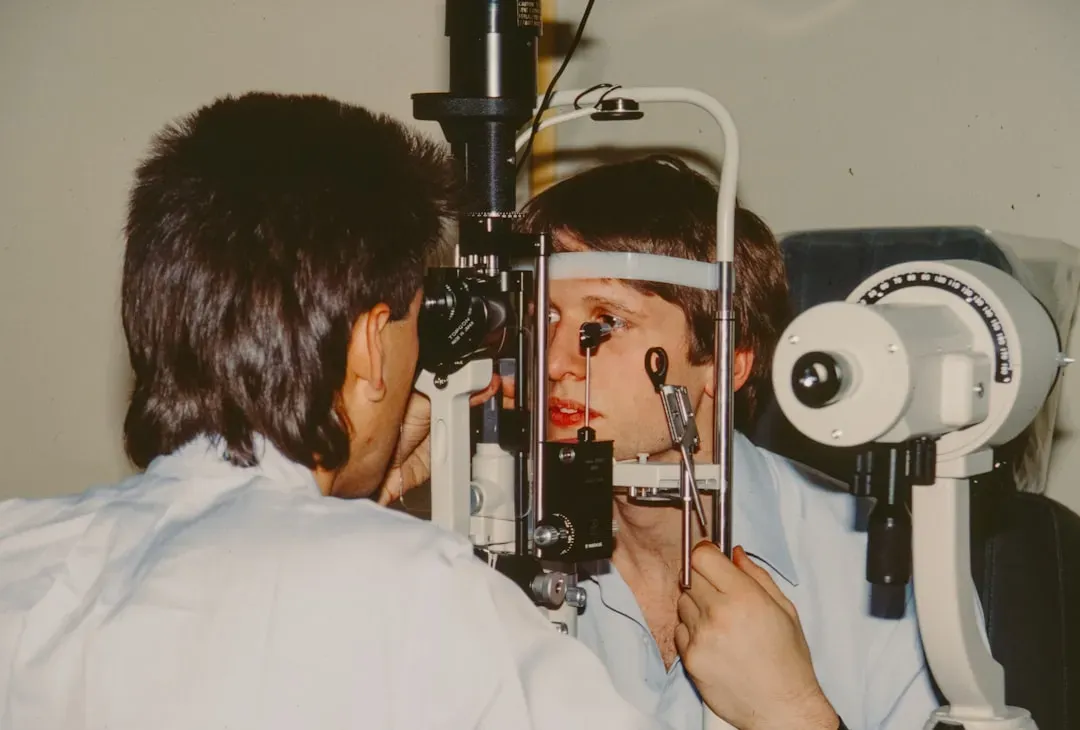
Here's the thing: despite claims of objectivity, beauty remains inherently subjective and culturally variable. What one culture or time period considers attractive differs dramatically from another. The PSL scale simply codifies current Western beauty standards and presents them as universal truth.
According to experts discussing looksmaxxing culture, these communities claim to use objective measures of facial attractiveness, though beauty cannot actually be objectively measured. The pseudo-scientific approach gives false credibility to what are ultimately subjective preferences.
Physical Features That Determine Tier Placement
Looksmaxxing adherents obsess over specific facial measurements. Jawline definition ranks high, with strong, angular jaws considered superior to softer profiles. Cheekbone prominence matters, as does maxilla (upper jaw) projection. These create the facial structure supposedly correlating with higher tiers.
Eye characteristics receive intense scrutiny. "Canthal tilt" refers to the angle of the outer corner of the eye relative to the inner corner. A positive tilt (outer corner higher) is deemed attractive, while negative tilt (outer corner lower) gets criticized. Eye spacing, size, and shape all factor into ratings.
Facial symmetry is treated as paramount, despite research showing perfect symmetry can actually look uncanny. Facial thirds (the proportions between forehead, midface, and lower face) get measured and analyzed. The obsessive focus extends to details most people never consciously notice: philtrum depth, gonial angle, interpupillary distance.
This minute examination creates hyperawareness of features that don't actually matter in daily social interactions. Well, they matter once you've been taught to see them as flaws. The terminology itself requires explanation, which shows how specialized and removed from normal human experience this analysis has become.
How These Standards Compare to Traditional Beauty Norms
If you grew up in the 1960s through 1980s, beauty standards existed but looked different. Attractiveness was acknowledged without the pseudo-scientific quantification. People didn't measure canthal tilts or facial thirds, they just recognized someone as good-looking or not.
Previous generations had their own narrow standards. Think of the specific body types or facial features that dominated different decades. Those standards were also limiting and harmful, but they didn't come with rating systems and optimization protocols. The shift to gamified, measurable beauty represents something new.
Beauty standards have always varied across cultures and time periods. Fuller faces were prized in eras when food scarcity made plumpness a sign of health and wealth. Pale skin indicated aristocracy in some cultures while tanned skin suggested vitality in others. What the looksmaxxing community treats as objective truth is actually just current Western preferences frozen in time.
The Concerning Impact: Mental Health and Social Effects of Tier-Based Thinking
The psychological consequences of rating culture hit young people hardest. Adolescence already involves intense self-consciousness and identity formation. Adding hierarchical appearance rankings during this vulnerable period amplifies existing insecurities and creates new ones.
Looksmaxxing vs. Traditional Beauty Standards
| Aspect | Looksmaxxing Approach | Traditional Beauty Standards |
|---|---|---|
| Basis | Pseudoscientific facial measurements and bone structure analysis | Cultural, historical, and subjective preferences |
| Methodology | Numerical ratings (1-10 scale) and rigid tier categories | Qualitative and varied by culture and time period |
| Terminology | Dehumanizing labels (Subhuman, Chad, LTN) | Descriptive terms (attractive, beautiful, handsome) |
| Flexibility | Fixed hierarchies; limited mobility between tiers | Fluid and evolving with cultural shifts |
| Focus | Objective facial structure and specific features | Overall presentation, personality, and context |
| Origin | Incel forums and PSL (Plastic Surgery Looks) communities | Mainstream media, art, and cultural values |
Body dysmorphia rates have increased alongside social media use and appearance-focused content. When teens constantly evaluate themselves against rigid standards and see themselves as "low-tier," they develop distorted perceptions of their actual appearance. According to mental health research, constant exposure to hierarchical rating systems and comparisons can trigger or exacerbate body dysmorphic disorder, particularly in adolescents whose self-concept is still forming.
The effects extend beyond individual mental health. Relationships suffer when people view potential partners through tier rankings rather than as complex humans. Empathy decreases when you've been trained to quickly categorize people by appearance scores. "Social media has created an environment where young people are constantly comparing themselves to others and to often unrealistic standards of beauty," says Dr. Charlotte Markey, Professor of Psychology at Rutgers University and author of research on body image and social media. "This constant comparison can lead to increased rates of body dissatisfaction, anxiety, and depression, particularly among adolescents who are still developing their sense of self."
Psychological Risks for Young Men and Women
Young men face growing appearance pressure that previous generations didn't experience to the same degree. Historically, women bore more scrutiny about looks, but social media has democratized appearance anxiety. Boys now navigate intense beauty standards that judge facial structure, height, and physique with brutal specificity.
Depression and anxiety correlate with time spent in appearance-focused online communities. The constant comparison and self-evaluation creates a feedback loop: feeling unattractive leads to seeking validation through ratings, which often confirms fears and deepens negative self-perception. This reflects growing appearance pressures on young men, who historically faced less scrutiny but now navigate intense social media-driven beauty standards.
Girls and young women encounter looksmaxxing culture too, though it manifests differently. Female-focused communities use similar rating systems with different terminology. The underlying message remains the same: your worth depends on appearance scores determined by narrow standards.
When Self-Improvement Becomes Self-Harm
Looksmaxxing exists on a spectrum from harmless to dangerous. Basic grooming, skincare, and fitness represent healthy self-care that most people practice. The problem emerges when improvement becomes obsession and when methods turn extreme.
Some practitioners pursue dangerous supplements with unproven effects and serious side effects. Others adopt extreme diets that compromise nutrition for facial definition. According to reporting on the trend, while some looksmaxxing involves basic grooming, others pursue extreme measures including unproven supplements, dangerous diets, and consideration of unnecessary cosmetic procedures.
Teenagers considering cosmetic surgery to change features deemed "low-tier" represents a serious red flag. Most reputable surgeons won't operate on minors for purely aesthetic concerns, but the desire itself indicates how deeply the rating mentality has taken hold. The line between healthy self-improvement and self-harm blurs when someone believes their natural face makes them "subhuman."
I once consulted with a 17-year-old who'd been taking unregulated peptides he bought online, convinced they would reshape his jawline—instead, he developed severe acne and hormonal imbalances that required months of medical treatment to correct. The desperation in his eyes when he showed me screenshots of his 'target face' from some forum still haunts me; he genuinely believed his natural bone structure made him worthless. What struck me most was the stack of supplement bottles in his backpack, each one promising transformation, each one potentially dangerous, and all purchased with money he'd saved from his part-time job instead of, as his mother later told me, buying a prom ticket.
Red Flags Parents and Grandparents Should Watch For
Excessive mirror time combined with measuring or photographing facial features suggests possible looksmaxxing involvement. Look for rulers, protractors, or apps used to analyze facial proportions. Teachers report students using looksmaxxing terminology in schools, while parents express concern about children's fixation on appearance metrics and ratings.
Listen for specific terminology: "mewing," "hunter eyes," "canthal tilt," tier labels, PSL ratings. These terms indicate exposure to the community. Dramatic changes in eating habits or exercise routines, especially when accompanied by appearance-focused explanations, warrant attention.
Social withdrawal or increased anxiety about appearance deserves concern. If a teen refuses social activities because they feel they're "too low-tier" or spends hours researching facial exercises and optimization protocols, they may need support. Sudden interest in cosmetic procedures or obsessive research about facial structure changes requires immediate conversation.
Defensive reactions when questioned about appearance behaviors can indicate shame or awareness that the fixation is excessive. Trust your instincts. If something feels off about how a young person discusses their appearance or others', it probably is.
What You Can Do: Responding to Looksmaxxing Culture With Perspective and Support
Start conversations without judgment. Asking "I've heard about looksmaxxing online, what do you know about it?" opens dialogue better than accusations. Young people shut down when they feel attacked but often respond to genuine curiosity.
Share your own experiences with beauty standards from your generation. Talk about how those standards were also limiting and how you learned that appearance doesn't determine worth. Historical perspective helps teens see that current standards aren't universal truth but temporary cultural preferences.
Encourage critical thinking about social media content. Ask questions: "Who benefits from you feeling bad about your appearance? What are they selling?" Help young people recognize that appearance anxiety is profitable for many industries. Research from the American Psychological Association's 2023 report on adolescent development found that teens who had regular conversations with parents about media literacy and appearance standards showed 34% lower rates of body dissatisfaction compared to peers without such discussions. A longitudinal study published in the Journal of Youth and Adolescence (2022) tracked 1,200 teenagers over three years and discovered that parental engagement—characterized by open dialogue rather than criticism—was associated with significantly healthier self-concept development during the critical 14-17 age range. The study emphasized that the quality of communication mattered more than the frequency, with non-judgmental conversations proving most effective at building resilience against harmful social comparison.
Model healthy self-talk about appearance. If you criticize your own looks constantly, young people learn that's normal behavior. Demonstrating body neutrality (not necessarily love, just neutrality) shows an alternative to constant evaluation.
Know when to seek professional help. If appearance concerns interfere with daily functioning, cause significant distress, or involve dangerous behaviors, consult a mental health professional who understands body dysmorphia and social media impacts. Some therapists specialize in appearance-related disorders and can provide targeted support.
Stay educated about online trends without becoming alarmist. Understanding looksmaxxing helps you recognize it, but avoid treating every grooming interest as a crisis. The goal is informed awareness, not panic.
Related Articles
- Looksmaxxing Chart: Rating Tiers, Scales & Face Classification
- Looksmaxxing Face Rater: How to Rate Your Own Facial Features
- Looksmaxxing Chart for Men: Male Rating Scale Explained
- Looksmaxxing Chart for Women: Female Rating Scale Guide
- PSL Rating System: Understanding PSL Score & Attractiveness Scale
- Looksmaxxing Definition: What Does Looksmaxing Mean?
Frequently Asked Questions
What does LTN mean, and what are the other tier labels in this system?
LTN stands for 'Lower Tier Normie' and is one tier in a hierarchy that ranges from 'subhuman' at the bottom to 'Chad' at the top. Other tiers include MTN (Mid Tier Normie), HTN (High Tier Normie), and Chadlite. Each tier supposedly represents a level of attractiveness based on facial measurements and physical characteristics.
Where did the looksmaxxing tier system originate?
The system originated in PSL (Plastic Surgery Looks) forums and incel communities during the 2010s before spreading to TikTok. What started as fringe ideology in online forums has now become mainstream through social media, where millions of teens encounter it daily.
What are the mental health risks of exposure to looksmaxxing content?
Exposure to looksmaxxing can trigger body dysmorphia, anxiety, and low self-worth in young people by linking their value directly to appearance ratings. The constant self-evaluation and rigid beauty standards promoted by these communities can cause significant psychological harm, especially during formative teenage years.
What warning signs should parents watch for if their child is into looksmaxxing?
Red flags include obsessive measuring of facial features, using looksmaxxing terminology like 'LTN' or 'mewing,' excessive mirror checking, sudden interest in extreme grooming or appearance-focused content, and comments suggesting they believe their worth is determined by their looks.
How does the looksmaxxing algorithm spread this content to teens?
TikTok's algorithm doesn't distinguish between niche forum culture and mainstream content, so looksmaxxing videos get mixed into regular grooming and fitness advice. A teen searching for innocent topics like acne solutions may encounter videos about facial bone structure and tier rankings, normalizing the ideology.
What makes looksmaxxing appealing to young people despite its harmful effects?
The system's gamification appeals to teens by suggesting they can 'level up' their appearance tier through specific steps, creating an illusion of control. Combined with social media's appearance pressure and the promise of social validation, it offers what seems like a measurable solution to teenage insecurity.
How is looksmaxxing different from regular self-improvement or grooming?
While normal self-improvement focuses on health and confidence, looksmaxxing uses dehumanizing terminology, pseudoscientific facial measurements, and rigid tier systems that link human worth to appearance ratings. It originated in misogynistic communities and explicitly treats attractiveness as an objective, measurable hierarchy rather than subjective preference.