The Ultimate Looksmaxxing Guide: Step-by-Step Improvement Plan

Looksmaxxing means systematically improving your appearance through grooming, fitness, skincare, and style choices. For adults over 55, it's about looking healthy and put-together rather than chasing unrealistic beauty standards. The approach emphasizes non-invasive methods that prioritize your health while naturally enhancing how you look and feel.
Table of Contents
- What Is Looksmaxxing? Understanding the Basics for Mature Adults
- The Origins and Evolution of Looksmaxxing
- Softmaxxing vs. Hardmaxxing: What's Safe for Your Age
- Why This Matters After 55: Health First, Appearance Second
- Setting Realistic Goals and Creating Your Personalized Improvement Plan
- Conducting Your Baseline Assessment
- Prioritizing Improvements Based on Impact and Safety
- Creating Your 90-Day Action Plan
- Skincare Essentials: Building an Age-Appropriate Routine
- The Core Four: Products Every Mature Adult Needs
- Addressing Common Skin Concerns After 55
- Building Your Morning and Evening Routine
- Hair Care and Optimization: Working With What You Have
- Hair Health Fundamentals: Nutrition and Care
- Managing Thinning Hair and Hair Loss
- Choosing Flattering Styles and Colors
- Fitness and Body Composition: Safe, Effective Exercise After 55
- Getting Medical Clearance and Starting Safely
- Strength Training: The Non-Negotiable Component
- Cardiovascular Exercise and Daily Movement
- Managing Common Exercise Challenges
- Nutrition for Better Appearance: Eating for Skin, Hair, and Body
- Protein: The Foundation of Tissue Maintenance
- Hydration and Skin Quality
- Nutrients That Support Appearance
- Foods to Limit for Better Appearance
- Grooming and Personal Maintenance: The Details That Matter
- Dental Care and Oral Hygiene
- Nail and Hand Care
- Managing Facial and Body Hair
- Fragrance and Personal Scent
- Wardrobe and Style: Dressing to Enhance Your Best Features
- Building a Foundation Wardrobe
- Colors and Patterns That Flatter
- Dressing for Your Current Body
- Sleep, Stress, and Mental Wellness: The Hidden Factors
- Sleep Quality and Appearance
- Stress Management and Cortisol
- Mental Health and Self-Image
This guide strips away the internet hype and focuses on what actually works for mature adults. You won't find dangerous advice or expensive gimmicks here.
What Is Looksmaxxing? Understanding the Basics for Mature Adults
The term "looksmaxxing" sounds like internet slang because it is. But the concept, taking deliberate steps to look your best, has existed forever. Your grandmother called it "taking care of yourself." The difference now is the systematic approach and, honestly, some of the methods promoted online have gotten concerning.
The Origins and Evolution of Looksmaxxing
Looksmaxxing emerged from online self-improvement communities in the mid-2010s. Young men initially used the term to describe maximizing their physical attractiveness through various methods, from basic grooming to extreme measures.
The concept spread rapidly across social media platforms. What started as niche forum discussions became mainstream content, with influencers promoting everything from skincare routines to controversial surgical procedures.
The term combines "looks" with "maxing out," implying you're optimizing your appearance to its fullest potential. While some principles are sound, exercise, grooming, dressing well, the movement sometimes veers into unhealthy territory.
For mature adults, the useful parts involve evidence-based self-improvement. The rest you can ignore.
Softmaxxing vs. Hardmaxxing: What's Safe for Your Age
Softmaxxing refers to non-invasive improvements: better skincare, fitness routines, haircuts, clothing choices, and grooming habits. These methods carry minimal risk and deliver real results over time.
Hardmaxxing involves surgical procedures, injectables, or aggressive treatments to alter your appearance. This includes facelifts, dental work, hair transplants, and cosmetic surgery.
After 55, softmaxxing should be your primary focus. Your body responds differently to stress, heals more slowly, and faces different health considerations than younger people. Surgery carries increased risks, recovery takes longer, and complications become more likely (according to research on age-related surgical outcomes).
That doesn't mean cosmetic procedures are off-limits. But they require careful consideration, thorough medical evaluation, and realistic expectations. Start with the basics first, you might be surprised how much improvement comes from consistent skincare, proper fitness, and better grooming alone.
The aggressive approaches promoted in some online communities weren't designed for your age group. Stick with methods that support your health while improving your appearance.
Why This Matters After 55: Health First, Appearance Second
Here's what changes the equation at your age: appearance and health become inseparable. The things that make you look better, exercise, good nutrition, adequate sleep, stress management, are identical to the things that keep you healthy.
When you're 25, you might get away with crash diets or neglecting sleep. Your body bounces back. After 55, those shortcuts backfire. They make you look worse, not better, and they damage your health.
The good news? This alignment works in your favor. Every health-promoting choice you make shows up in your appearance. Regular exercise improves your posture, energy, and body composition. Quality sleep reduces under-eye circles and improves skin texture. Proper nutrition supports hair health and skin quality.
You're not trying to look 30 again. That's neither possible nor particularly desirable. You're aiming to look like a healthy, well-maintained version of your current age. That's an achievable goal that improves your quality of life.
The appearance improvements become a pleasant side effect of treating your body well. When you frame it this way, looksmaxxing transforms from vanity into self-care. I'll never forget the morning I ran into an old colleague at the coffee shop—we hadn't seen each other in five years. She looked at me with genuine surprise and said I looked "lighter" somehow, more energetic. I hadn't lost much weight, but I'd been sleeping seven hours a night and walking daily for six months. The compliment wasn't about looking younger; it was about looking present, vital, like someone who actually takes care of himself.
(According to the National Institute on Aging), protecting your skin from further sun damage remains important at any age. The same principle applies to other aspects of appearance, it's never too late to start, but the approach must match your life stage.
Setting Realistic Goals and Creating Your Personalized Improvement Plan
Generic advice rarely works because everyone starts from a different place. Your priorities depend on your current condition, health status, budget, and how much time you're willing to invest. A personalized plan beats a one-size-fits-all approach every time.
Health-Appearance Connection: Key Lifestyle Factors After 55
| Lifestyle Factor | Health Benefit | Appearance Benefit |
|---|---|---|
| Regular Exercise | Improved cardiovascular health, stronger bones, better mobility | Better posture, improved body composition, increased energy |
| Quality Sleep | Enhanced immune function, better hormone regulation, cognitive health | Reduced under-eye circles, improved skin texture, fresher appearance |
| Proper Nutrition | Better metabolic health, disease prevention, sustained energy | Healthier hair, clearer skin, maintained body composition |
| Stress Management | Lower cortisol levels, reduced inflammation, better mental health | Fewer stress-related skin issues, healthier appearance overall |
While lifestyle factors form the foundation of appearance improvement, adults over 55 must also consider which enhancement strategies—subtle or more intensive—align with their goals and circumstances.
Softmaxxing vs. Hardmaxxing: Comparison for Adults Over 55
| Approach | Methods | Risk Level | Recovery Time | Best For |
|---|---|---|---|---|
| Softmaxxing | Skincare, fitness, grooming, clothing, haircuts | Minimal | None | Primary focus; sustainable long-term results |
| Hardmaxxing | Surgery, injectables, facelifts, hair transplants, cosmetic procedures | Moderate to High | Weeks to months | Selective use after careful medical evaluation |
Conducting Your Baseline Assessment
Start by taking inventory without judgment. You're gathering data, not criticizing yourself. Look at your skin condition, hair health, fitness level, grooming habits, and wardrobe. Take photos in good lighting, front, side, and back views. These become your reference points.
Rate your current status in each category on a simple scale: needs immediate attention, could use improvement, or doing fine. Be honest but not harsh. Most people are overly critical when they should be objective.
Consider your health limitations. Do you have joint issues that affect exercise choices? Skin sensitivities that limit product options? Medical conditions that rule out certain approaches? These factors shape your plan.
Ask someone you trust for input. We all have blind spots about our appearance. A good friend might mention that your glasses are outdated or your haircut isn't flattering, things you've stopped noticing.
Write everything down. This assessment becomes your roadmap for the next three months.
Prioritizing Improvements Based on Impact and Safety
Not all improvements deliver equal results. Some changes transform your appearance quickly with minimal effort. Others require months of work for subtle benefits. Start with high-impact, low-risk options.
Skincare with sunscreen, a basic fitness routine, and updating your grooming habits typically deliver the biggest returns. These foundational changes support everything else you'll do later.
Consider your budget realistically. A good skincare routine costs $50-100 to start. A gym membership or home equipment requires ongoing investment. New clothes can wait until you've made other changes, your body composition might shift.
Safety trumps vanity. If an improvement requires medical clearance, get it. If something seems risky for your age or health conditions, skip it. Plenty of effective options exist that won't jeopardize your wellbeing.
Creating Your 90-Day Action Plan
Three months gives you enough time to see real results without losing motivation. Break your plan into weekly milestones that build on each other.
Week 1-2: Establish your basic skincare routine and schedule any necessary medical appointments (physical exam, dermatologist visit, dental checkup). These create your foundation.
Week 3-4: Add physical activity gradually. Start with 15-20 minutes of walking daily if you're currently sedentary. Get your haircut updated and assess your grooming products.
Week 5-8: Increase exercise duration and intensity as tolerated. Fine-tune your skincare based on how your skin responds. Address any grooming issues you identified.
Week 9-12: Evaluate your progress, take new photos, and adjust your plan. This is when results become noticeable. Decide which habits stick and what needs modification.
Track your activities with a simple checklist. Did you use sunscreen today? Complete your workout? Follow your skincare routine? Consistency matters more than perfection.
Skincare Essentials: Building an Age-Appropriate Routine
Mature skin needs different care than younger skin. You're working with changes in oil production, elasticity, texture, and pigmentation. The good news is that a simple, consistent routine delivers better results than expensive complexity.
The Core Four: Products Every Mature Adult Needs
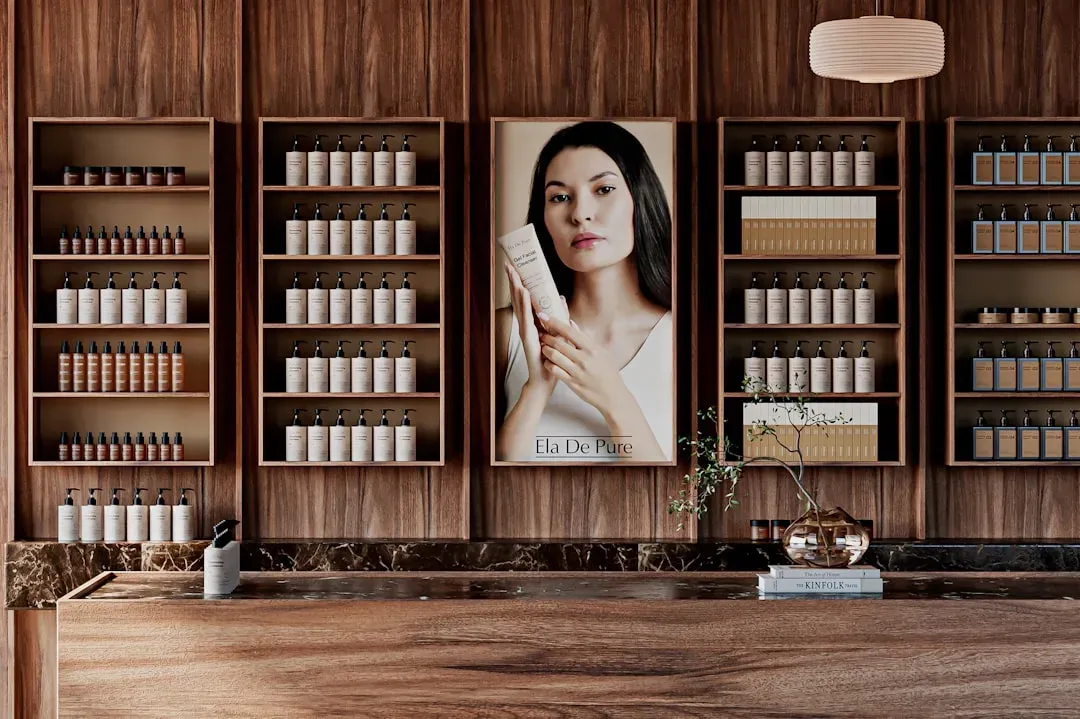
Your essential toolkit includes four products: a gentle cleanser, a moisturizer, broad-spectrum sunscreen, and a retinoid. Everything else is optional.
Choose a creamy, non-foaming cleanser. Mature skin produces less oil (according to the American Academy of Dermatology), so harsh cleansers strip away what little protection you have. Wash your face once daily in the evening. In the morning, rinse with water only.
Your moisturizer should contain ceramides, hyaluronic acid, or glycerin. These ingredients help your skin retain water, which reduces the appearance of fine lines and improves texture. Apply it twice daily on damp skin.
Sunscreen is non-negotiable. Use SPF 30 or higher with broad-spectrum protection every single day, even in winter (according to the American Academy of Dermatology). Sun damage is the primary cause of skin aging, and it's never too late to prevent further harm (according to the National Institute on Aging).
Retinoids increase cell turnover and can reduce age spots and wrinkles. Start with an over-the-counter retinol product used 2-3 times weekly. Your skin needs time to adjust. If you tolerate it well, a dermatologist can prescribe stronger tretinoin.
Apply retinoids at night only. They make your skin more sun-sensitive, which is why morning sunscreen becomes even more critical.
Addressing Common Skin Concerns After 55
Age spots, also called liver spots, respond to consistent sunscreen use and retinoids. They won't disappear overnight, but they'll fade over months. A dermatologist can offer faster options like chemical peels or laser treatments if you prefer.
Rosacea becomes more common with age. It causes redness, visible blood vessels, and sometimes acne-like bumps. Avoid hot beverages, spicy foods, and alcohol if they trigger flare-ups. Use gentle, fragrance-free products. See a dermatologist for prescription treatments if over-the-counter approaches don't help.
Dry, flaky skin happens because mature skin produces less natural oil. Layer your moisturizer over damp skin to seal in hydration. Consider adding a facial oil before your moisturizer if dryness persists. Humidifiers help during winter months.
Rough texture often improves with regular retinoid use and gentle exfoliation. Don't scrub hard, you'll damage your skin barrier. Chemical exfoliants with lactic acid work better than physical scrubs for mature skin.
When should you see a dermatologist? If you notice new growths, moles that change appearance, persistent redness, or if your skin concerns don't improve with basic care. Annual skin checks become important for cancer screening at your age.
Building Your Morning and Evening Routine
Morning routine takes five minutes. Rinse your face with lukewarm water, apply moisturizer to damp skin, then sunscreen once the moisturizer absorbs. That's it. Simple works.
Evening routine takes slightly longer. Cleanse your face to remove sunscreen, dirt, and pollutants. Pat your skin until it's damp but not dripping. Apply your retinoid (if using it that night), wait five minutes, then apply moisturizer.
The waiting period between retinoid and moisturizer isn't strictly necessary, but some people find it reduces irritation. Experiment to see what your skin tolerates.
Don't wash your face more than once daily. Over-cleansing strips natural oils and damages your skin barrier, making everything worse. If you exercise during the day, rinse with water afterward but save the cleanser for evening.
Product order matters: thinnest to thickest consistency. Water-based products go first, then oils and creams. Sunscreen always goes last in the morning because it needs to form a protective film.
I used to wash my face three times a day thinking more was better, and my skin looked perpetually red and irritated. Within two weeks of switching to just evening cleansing, the tight, stinging sensation I'd normalized completely disappeared, and I noticed my moisturizer actually absorbed instead of just sitting on top of inflamed skin. The difference in texture when I touched my cheeks was remarkable—smooth instead of that rough, sandpaper feeling I'd been dealing with for months.
Hair Care and Optimization: Working With What You Have
Hair changes significantly after 55. It grows more slowly, becomes finer, and often thins noticeably. Gray hair loses pigment and changes texture. These shifts are normal, but you can still maintain healthy, attractive hair with the right approach.
Hair Health Fundamentals: Nutrition and Care
Your hair reflects your overall health. Poor nutrition shows up as dull, brittle hair that breaks easily. Adequate protein intake supports hair structure since hair is primarily made of keratin protein.
Aim for 0.8 grams of protein per kilogram of body weight daily. That's roughly 55-65 grams for most adults. Include protein at each meal: eggs, fish, chicken, beans, or Greek yogurt.
Iron deficiency contributes to hair loss, particularly in women. If you're experiencing unusual shedding, ask your doctor to check your iron levels along with thyroid function. Both affect hair growth.
Scalp health matters more than most people realize. A healthy scalp grows healthy hair. Massage your scalp gently when shampooing to improve circulation. If you notice flaking, itching, or irritation, address it, dandruff and seborrheic dermatitis can affect hair quality.
Wash your hair based on your scalp type, not a fixed schedule. Oily scalps might need daily washing; dry scalps do better with 2-3 times weekly. Use lukewarm water, not hot, which strips natural oils.
Managing Thinning Hair and Hair Loss
Pattern hair loss affects most people eventually. Men typically see it at the hairline and crown. Women experience diffuse thinning across the entire scalp.
Minoxidil (Rogaine) is available over-the-counter and works for both men and women. It requires consistent twice-daily application and takes 4-6 months to show results. If you stop using it, any new growth falls out.
Finasteride is a prescription medication for men that blocks the hormone responsible for pattern baldness. It's more effective than minoxidil but carries potential side effects including sexual dysfunction. Women of childbearing age cannot use it.
These treatments work best when started early. They maintain existing hair more effectively than they regrow lost hair. Set realistic expectations, you're slowing the process, not reversing decades of loss.
Hair transplants have improved significantly but remain expensive and require recovery time. They work by moving hair from areas of good growth to thinning areas. Results look natural when performed by skilled surgeons, but research carefully before committing.
For women, hormone replacement therapy sometimes helps hair thinning related to menopause. Discuss this with your doctor as part of overall hormone management, not solely for hair concerns.
Choosing Flattering Styles and Colors
The right haircut makes thinning hair look fuller. Shorter styles generally work better than long hair, which can appear sparse. Layers add volume and movement. Avoid blunt cuts that emphasize thin ends.
For men, a close crop or buzz cut often looks better than attempting to cover thinning areas with longer hair. Own it rather than fight it. Confidence matters more than coverage.
Gray hair can look distinguished or washed-out depending on how you manage it. If you're going gray, keep it well-groomed and conditioned. Gray hair tends to be coarser and drier than pigmented hair.
Hair color can camouflage thinning by reducing contrast between hair and scalp. Highlights and lowlights add dimension that creates the illusion of thickness. Avoid harsh, solid colors that look artificial.
Find a skilled stylist who works regularly with mature clients. They understand age-appropriate styles and can recommend cuts that flatter your face shape while working with your hair's current condition. Worth the investment.
Fitness and Body Composition: Safe, Effective Exercise After 55
Exercise transforms your appearance more than almost any other single factor. It improves posture, increases energy, maintains muscle mass, and helps control weight. The challenge is doing it safely and consistently at an age when your body needs more recovery time.

Getting Medical Clearance and Starting Safely
Schedule a physical exam before starting a new exercise program, especially if you've been sedentary. Your doctor needs to know about any heart conditions, joint problems, balance issues, or other concerns that might affect your exercise choices.
Discuss your specific plans. Running requires different medical considerations than swimming or strength training. Be honest about your current fitness level and goals.
If you're completely sedentary now, start with walking. Just walking. Ten minutes daily for the first week, then gradually increase. This builds your base fitness without overwhelming your system.
Pay attention to warning signs during exercise: chest pain, severe shortness of breath, dizziness, or unusual fatigue. Stop immediately and seek medical attention if these occur. They're different from normal exercise discomfort.
Consider working with a physical therapist initially if you have significant joint issues or previous injuries. They can design a program that works around your limitations.
Strength Training: The Non-Negotiable Component
You lose muscle mass naturally with age, about 3-5% per decade after 30. This accelerates after 60. Strength training is the only way to maintain or rebuild that muscle.
Muscle matters for appearance beyond just size. It improves posture, increases metabolism, strengthens bones, and makes daily activities easier. People with more muscle mass look more vital and energetic.
(According to CDC guidelines), adults 65 and older need muscle-strengthening activities at least two days per week. That's the minimum for health, not optimization.
Start with bodyweight exercises or light resistance bands. Master the movement patterns before adding weight. Focus on major muscle groups: legs, back, chest, shoulders, and core.
Proper form matters more than the amount of weight. Poor form leads to injury, which sets you back months. Consider hiring a trainer for a few sessions to learn correct technique.
Progressive overload, gradually increasing difficulty over time, drives improvement. Add weight, repetitions, or sets slowly. Your body needs time to adapt, that's when muscle growth happens.
Recovery becomes more important with age. Take at least one day off between strength sessions for the same muscle groups. Sleep and protein intake support muscle repair and growth.
Cardiovascular Exercise and Daily Movement
(According to the CDC), adults over 65 need at least 150 minutes of moderate-intensity aerobic activity weekly. That breaks down to 30 minutes, five days per week. Brisk walking counts.
Moderate intensity means you can talk but not sing during the activity. You're breathing harder than normal but not gasping. This level provides cardiovascular benefits without excessive stress.
Swimming, cycling, and elliptical machines offer low-impact alternatives if joint pain makes walking difficult. Water exercise is particularly gentle on joints while still providing resistance.
Daily movement beyond structured exercise matters too. Take stairs when possible, park farther away, do yard work, play with grandchildren. This "lifestyle activity" adds up and keeps you functional.
Balance exercises prevent falls, which become more dangerous with age. (According to the CDC), activities like standing on one foot should be practiced about three days weekly. Tai chi and yoga improve balance while providing other benefits.
Managing Common Exercise Challenges
Joint pain doesn't mean you can't exercise. It means you need to choose appropriate activities and potentially modify movements. Swimming and water aerobics reduce joint stress while maintaining fitness.
Arthritis often improves with movement despite initial discomfort. The key is finding the sweet spot between too little activity (which increases stiffness) and too much (which causes inflammation).
Morning stiffness is common. Some people do better exercising later in the day after their body has loosened up. Experiment with timing to find what works for you.
Fatigue can indicate overtraining or inadequate recovery. If you're consistently exhausted, you're probably doing too much. Scale back and rebuild gradually. Rest is when your body actually improves.
"Recovery is where the magic happens. Without adequate rest, you're just breaking down tissue without giving your body the chance to rebuild stronger," says Dr. Mike Israetel, Professor of Exercise Science at Lehman College and co-founder of Renaissance Periodization.
Nutrition for Better Appearance: Eating for Skin, Hair, and Body
What you eat shows up in how you look. Your skin reflects your hydration and nutrient status. Your hair quality depends on adequate protein and minerals. Your body composition responds to your overall calorie balance and macronutrient choices.
Protein: The Foundation of Tissue Maintenance
Protein becomes increasingly important after 55. You need it to maintain muscle mass, support skin structure, and grow healthy hair. Your body becomes less efficient at using dietary protein with age, so requirements actually increase.
Aim for 1.0-1.2 grams per kilogram of body weight if you're active. That's higher than the standard recommendation but reflects current research on older adults. Spread protein intake across all meals for better utilization.
Complete proteins contain all essential amino acids. Animal sources like meat, fish, eggs, and dairy are complete. Plant proteins often need combining, beans with rice, for example, to provide all amino acids.
Collagen supplements have become trendy for skin health. The evidence is mixed. Some studies show modest improvements in skin elasticity, others show no benefit. If you try them, give it three months before judging results.
Hydration and Skin Quality
Dehydration makes skin look dull and emphasizes wrinkles. Your thirst sensation decreases with age, so you might not feel thirsty even when you need fluids.
Aim for 8 cups of fluid daily as a baseline. You need more if you exercise, live in hot climates, or take medications that increase urination. Your urine should be pale yellow, darker indicates dehydration.
Water is ideal, but other fluids count too. Coffee and tea provide hydration despite being mild diuretics. Avoid excessive alcohol, which dehydrates and damages skin quality over time.
Eating water-rich foods helps: cucumbers, watermelon, oranges, tomatoes, and lettuce all contribute to hydration. They also provide vitamins and antioxidants that support skin health.
Nutrients That Support Appearance
Vitamin C supports collagen production and acts as an antioxidant. Get it from citrus fruits, bell peppers, strawberries, and broccoli. Deficiency is rare but leads to poor wound healing and skin problems.
Vitamin A (from sweet potatoes, carrots, spinach) supports skin cell turnover and immune function. Excessive supplementation can be toxic, so get it from food unless your doctor recommends supplements.
Omega-3 fatty acids from fish, walnuts, and flaxseed support skin barrier function and reduce inflammation. They may help with dry skin conditions. Aim for fatty fish twice weekly.
Zinc supports wound healing and hair growth. Deficiency can contribute to hair loss and skin problems. Good sources include oysters, beef, pumpkin seeds, and lentils.
Biotin is heavily marketed for hair health, but deficiency is extremely rare if you eat a varied diet. Supplementation probably won't help unless you're actually deficient.
Foods to Limit for Better Appearance
Excess sugar damages collagen through a process called glycation. This contributes to skin aging and loss of elasticity. Limit added sugars from desserts, sweetened beverages, and processed foods.
High-glycemic carbohydrates (white bread, white rice, pastries) spike blood sugar and may worsen acne and inflammation. Choose whole grains instead for steadier blood sugar.
Excessive alcohol dehydrates skin, disrupts sleep, and contributes to inflammation. It also provides empty calories that make weight management harder. Limit to moderate intake if you drink at all.
Highly processed foods often contain trans fats, excess sodium, and additives that promote inflammation. They're also nutrient-poor compared to whole foods. Focus on foods with short ingredient lists.
Grooming and Personal Maintenance: The Details That Matter
Small grooming details make a bigger difference than most people realize. Well-maintained nails, trimmed nose hair, clean teeth, and fresh breath are basics that signal you care about your presentation. These aren't vanity, they're hygiene and self-respect.
Dental Care and Oral Hygiene
Your smile affects how people perceive you. Yellowed, stained, or missing teeth age your appearance significantly. Healthy teeth and gums also affect your overall health, gum disease links to heart disease and other conditions.
Brush twice daily for two minutes using a soft-bristled brush. Electric toothbrushes often work better for people with arthritis or reduced dexterity. Replace your brush or brush head every three months.
Floss daily. No negotiation on this one. Flossing removes plaque from between teeth where your brush can't reach. If traditional floss is difficult, try floss picks or water flossers.
Professional cleanings every six months prevent problems before they start. Your dentist can also address cosmetic concerns like staining. Professional whitening works better than over-the-counter products but costs more.
Bad breath often comes from bacteria on your tongue. Brush your tongue or use a tongue scraper. If chronic bad breath persists despite good hygiene, see your dentist, it might indicate gum disease or other issues.
Nail and Hand Care
Hands show age prominently. Keep nails trimmed and clean. Ragged cuticles and dirt under nails look neglected regardless of how well-dressed you are.
Moisturize your hands regularly, especially after washing. The skin on your hands is thin and loses moisture easily. Keep hand cream by your sink and use it consistently.
For men, nails should be short and neat. For women, choose between natural, polished, or professionally maintained nails based on your lifestyle. Long, elaborate nails rarely suit mature women and can look incongruous.
Age spots on hands respond to the same treatments as facial age spots: sunscreen, retinoids, and time. Wear gloves when driving to protect your hands from sun exposure through the car window.
Managing Facial and Body Hair
Nose and ear hair becomes more noticeable with age. Trim it regularly, weekly for most men. Small battery-powered trimmers work well and reduce the risk of cuts compared to scissors.
Eyebrows need attention too. For men, long, wild eyebrow hairs should be trimmed. For women, eyebrows often thin with age. Fill them in lightly with a pencil or powder for a more defined look.
Facial hair on women increases after menopause due to hormonal changes. Options include plucking, waxing, threading, or prescription cream (eflornithine) that slows growth. Choose what works for your skin sensitivity and budget.
For men with beards, keep them trimmed and shaped. An unkempt beard adds years to your appearance. Clean, defined edges look intentional rather than neglected.
Fragrance and Personal Scent
Your sense of smell decreases with age, which means you might not notice your own body odor as easily. Shower daily, use antiperspirant, and wash clothes regularly, especially workout gear.
If you wear fragrance, apply it sparingly. Many people over-apply because they can't smell it on themselves. One or two sprays is sufficient. Others shouldn't smell you until they're quite close.
Choose age-appropriate scents. Heavy, sweet fragrances can seem dated. Fresh, clean scents work well for daily wear. Department stores offer free samples, test before buying.
Wardrobe and Style: Dressing to Enhance Your Best Features
Clothes that fit properly and suit your current body make you look pulled-together and confident. Wearing outdated styles or ill-fitting clothes undermines all your other improvement efforts. You don't need expensive clothes, you need appropriate ones.
Building a Foundation Wardrobe
Start with basics that fit well and can be mixed and matched. Quality matters more than quantity. A few well-made pieces serve you better than a closet full of cheap clothes.
For men: well-fitting jeans or chinos, solid-color polo shirts or button-downs, a blazer, comfortable dress shoes, and clean sneakers. These cover most casual and semi-formal situations.
For women: well-fitting pants or jeans, simple tops in flattering colors, a cardigan or blazer, a versatile dress, comfortable flats, and one pair of heeled shoes if you wear them.
Fit is everything. Clothes that are too tight emphasize weight gain and look uncomfortable. Clothes that are too loose look sloppy and add visual bulk. When in doubt, get items tailored, it's worth the cost.
Avoid trendy pieces that will look dated quickly. Classic styles endure and suit mature adults better. Aim for timeless, not trendy.
Colors and Patterns That Flatter
Certain colors enhance your skin, while others wash you out. This depends on skin tone, hair color, and personal coloring. Generally, rich colors outperform very pale or overly dark tones.
Hold colored fabrics near your face in natural light. Does your skin appear brighter or duller? Do your eyes pop or fade? Trust your eyes, the right colors make you look vibrant.
Patterns should match your size. Larger folks can wear bigger patterns; smaller ones look swamped by huge prints. Small, busy patterns can date quickly, stick to classic stripes or geometrics.
Monochromatic dressing (different shades of one color) creates a streamlined, flattering look. It's easy, sophisticated, and requires little effort.
Dressing for Your Current Body
Dress for your body now, not the one you had at 35 or want in six months. Properly fitting clothes always look better than squeezing into small sizes.
Find your best features and showcase them. Great shoulders? Choose structured tops. Nice legs? Flaunt them with appropriate skirts or shorts. Highlight what you like.
Balance proportions. If top-heavy, wear darker tops with lighter bottoms. If carrying weight around the midsection, avoid tucking shirts, leave them untucked with a slight taper.
Vertical lines lengthen. Long cardigans, vertical stripes, and V-necks elongate and slim your silhouette. Horizontal lines do the opposite.
Sleep, Stress, and Mental Wellness: The Hidden Factors
Poor sleep and chronic stress sabotage all your improvement efforts. They degrade skin quality, accelerate aging, hinder exercise recovery, and damage overall health. You can't looksmax your way out of exhaustion and anxiety.
Sleep Quality and Appearance
Sleep deprivation shows on your face: dark circles, puffy eyes, dull skin, and a tired expression. Chronic poor sleep ages skin faster and hinders healing.
Adults need 7-9 hours of quality sleep nightly. Contrary to myths, sleep needs don't decrease with age. Your ability to sleep uninterrupted does.
Adopt a consistent sleep schedule. Go to bed and wake at the same time, weekends included. Routine enhances sleep quality.
Make your bedroom sleep-friendly: cool (65-68°F), dark, quiet. Remove screens an hour before bed; blue light disrupts melatonin production, making sleep harder.
If frequent urination disrupts rest, limit fluids two hours before bed. If pain keeps you up, consult a doctor. If anxiety delays sleep, consider cognitive behavioral therapy.
Stress Management and Cortisol
Chronic stress elevates cortisol, damaging collagen, promoting belly fat, and hastening visible aging. Managing stress is non-negotiable for serious improvements.
Regular exercise reduces stress effectively. A 20-minute walk lowers cortisol and improves mood. Physical activity offers a healthy outlet for anxiety.
Meditation and deep breathing stimulate the parasympathetic nervous system, counteracting stress. Start with five minutes daily. Apps like Calm or Headspace guide sessions.
Social connections buffer against stress. Maintain relationships with friends and family. Join clubs or groups based on your interests. Isolation compounds stress and harms health.
Tackle major stressors within your control. Some stress is unavoidable, but much stems from changeable situations or lack of boundaries.
Mental Health and Self-Image
Mental health directly affects how you present yourself. When struggling mentally, self-care gets neglected. Workouts get skipped, grooming ignored, and appearance seems unimportant.
Improving your appearance can boost mood and confidence, but it won't resolve underlying mental health issues. If dealing with persistent sadness, anxiety, or loss of interest, consult your doctor.
Stay realistic about what appearance enhancement can accomplish. Looking better may boost social confidence, but it won't fix relationships, create life meaning, or replace professional mental health support when needed.
The goal is healthy self-improvement, not perfection. If you find yourself obsessing over minor flaws or feeling worse despite improvements, that's a sign to step back and reassess your priorities.
Related Articles
- Looksmaxxing Definition: What Does Looksmaxing Mean?
- Looksmaxxing: What to Do First (Beginner Checklist)
- Best Free Looksmaxxing Guides (Reddit & Course Alternatives)
- Looksmaxxing Face Rater: How to Rate Your Own Facial Features
- Jawline Improvement: Bone Smashing, Exercises & Surgery Guide
- PSL Rating System: Understanding PSL Score & Attractiveness Scale
Frequently Asked Questions
Is looksmaxxing safe for people over 55?
Yes, when focused on softmaxxing (non-invasive methods like skincare, fitness, and grooming). These approaches are safe and effective for mature adults. Hardmaxxing involving surgery carries increased risks for older bodies due to slower healing and higher complication rates, so it should only be considered after careful medical evaluation.
How long does it take to see results from a looksmaxxing routine?
The guide recommends a 90-day action plan as a starting point for meaningful improvements. Results vary by area—skin improvements may appear in 4-6 weeks with consistent skincare, while fitness and body composition changes typically take 8-12 weeks of regular exercise and proper nutrition.
Do I need to do cosmetic surgery or injectables to look better after 55?
No. The guide emphasizes that consistent softmaxxing—including proper skincare, fitness, nutrition, grooming, and style—can produce surprising results without any invasive procedures. Start with these evidence-based basics first before considering any surgical options.
What's the most important factor in a looksmaxxing routine for mature adults?
Health comes first, appearance second. The guide prioritizes medical clearance before starting exercise, consistent skincare routines, proper nutrition, and adequate sleep—all foundational elements that improve both how you look and how you feel.
Can I improve my appearance if I have thinning hair or hair loss?
Yes. The guide covers hair health fundamentals through nutrition and proper care, managing thinning hair, and choosing flattering styles and colors that work with your current hair. These strategies can significantly improve your overall appearance regardless of hair density.
What should I eat to improve my skin and hair appearance?
Focus on adequate protein (foundation for tissue maintenance), proper hydration for skin quality, and nutrients that support appearance. The guide identifies specific foods to prioritize and others to limit for better results, all tied to visible improvements in skin and hair.
Is it necessary to follow an expensive skincare routine to see improvements?
No. The guide focuses on evidence-based skincare essentials rather than expensive gimmicks. It covers the core products every mature adult needs and how to build an effective morning and evening routine without unnecessary expense.
How does sleep and stress affect my appearance?
Sleep quality directly impacts appearance, while stress increases cortisol levels that can negatively affect skin and overall health. The guide addresses these as hidden but critical factors in your looksmaxxing plan, showing how mental wellness directly influences how you look.