Weak Jawline Surgery Options: Genioplasty vs Jaw Lipo

If you're considering surgery to strengthen a weak jawline, you're choosing between two fundamentally different approaches. Genioplasty repositions your actual chin bone forward, backward, or vertically to create better facial balance, it's the solution when your bone structure itself is the problem. Jaw liposuction removes excess fat beneath the chin and along the jawline to reveal definition that's hidden by soft tissue. The right choice depends entirely on what's causing your weak jawline: insufficient bone structure or too much fat obscuring adequate bone.
Table of Contents
- Understanding Your Weak Jawline: Bone Structure vs. Fat Deposits
- How Aging Changes Jawline Definition After 55
- Simple Self-Assessment: Which Issue Do You Have?
- What Is Genioplasty and How Does It Address Weak Jawlines?
- The Surgical Procedure: What to Expect Step-by-Step
- Recovery Timeline and Restrictions for Older Adults
- Jaw Liposuction Explained: Removing Submental Fat for Definition
- Different Liposuction Techniques and Which Works Best After 55
- The Skin Elasticity Factor: Will You Need Additional Procedures?
- Side-by-Side Comparison: Costs, Risks, Results, and Recovery
- Financial Investment: What Each Procedure Actually Costs
- Risk Profiles and Complication Rates for Each Procedure
- When Combining Both Procedures Makes Sense (And When It Doesn't)
- Medical Clearance and Health Requirements for Combined Surgery
- Alternative and Non-Surgical Options to Consider First
Understanding Your Weak Jawline: Bone Structure vs. Fat Deposits
Your jawline appearance comes down to two separate anatomical elements. First, there's the actual mandible and chin bone, the skeletal framework that creates your profile. Second, there's the soft tissue layer of fat, muscle, and skin draped over that framework.
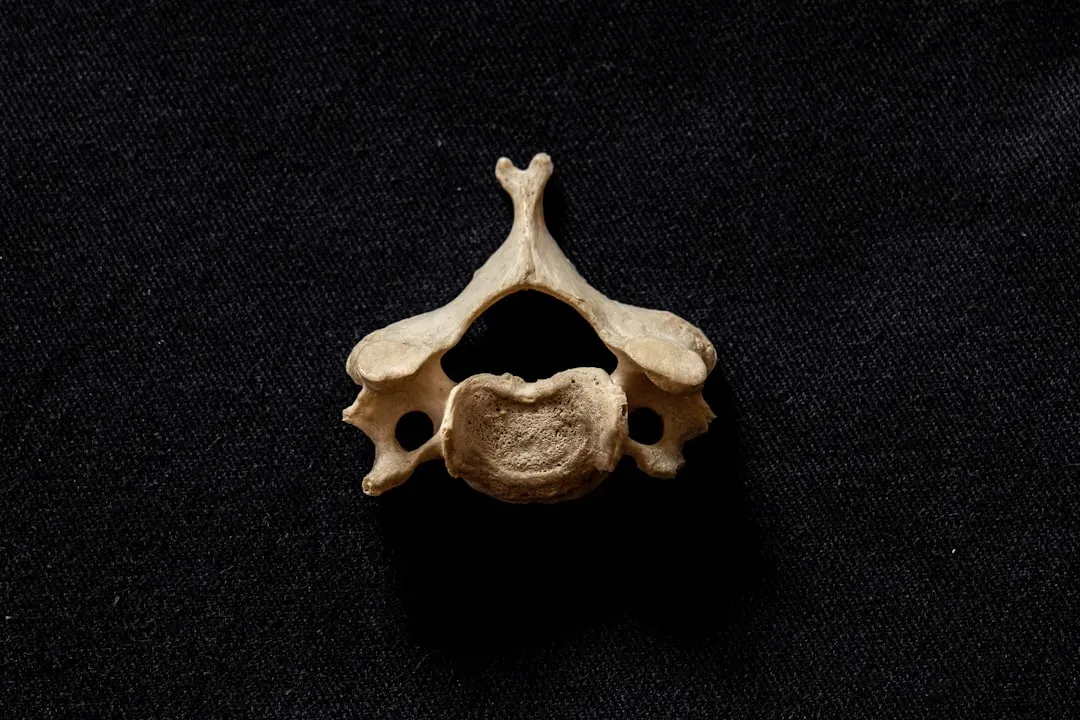
When the chin bone sits too far back relative to your facial features, you have what surgeons call mandibular retrognathia or microgenia. No amount of weight loss will fix this because the bone itself is positioned incorrectly. According to the American Society of Plastic Surgeons, this structural issue requires surgical repositioning of the bone or augmentation with an implant to achieve proper facial harmony. (Source: American Society of Plastic Surgeons)
Conversely, some people have perfectly adequate bone structure that's simply hidden. Excess submental fat, the technical term for fat beneath your chin, pools in the area between your chin and neck, erasing the crisp angle that defines a strong jawline. When you gain weight, this area often accumulates fat disproportionately.
Here's the thing: many people have both issues to varying degrees. The bone might be slightly recessed while excess fat makes the problem look worse than the skeletal issue alone would cause.
I'll never forget evaluating a patient in her late twenties who came in convinced she needed extensive bone work. When I had her tilt her head back and manually lifted the soft tissue under her chin, suddenly a beautifully defined jawline appeared—her bone structure was actually excellent. The relief on her face was palpable when I explained that targeted liposuction, not invasive bone surgery, would reveal the contours that were already there, just hidden under a stubborn pocket of submental fat that had persisted despite her regular gym routine.
How Aging Changes Jawline Definition After 55
Your jawline probably looked different twenty years ago, and that's not just nostalgia talking. According to research published in the Indian Journal of Plastic Surgery, the facial skeleton undergoes predictable resorption with age, including measurable bone loss in the mandible. (Source: Indian Journal of Plastic Surgery) Your chin bone literally shrinks backward and downward over decades.
This bone resorption happens to everyone, though the rate varies considerably. Some people lose significant mandibular projection by their sixties, creating a weak jawline that wasn't present in younger years. Meanwhile, fat compartments in your face shift downward due to gravity and the weakening of connective tissue structures, and collagen and elastin degrade with intrinsic aging, reducing your skin's elasticity and increasing laxity. (Source: National Institute on Aging, NIH)
This matters tremendously for surgical planning. Skin that once snapped back after stretching now sags, which affects how well it will conform to a new contour after fat removal. Fat distribution changes too. You might actually have less facial fat overall than you did at thirty, but what remains has descended into the lower face and neck, creating jowling and obscuring the jawline even in people who haven't gained weight.
Simple Self-Assessment: Which Issue Do You Have?
Stand in front of a mirror in good lighting and hold your head in a neutral position. Look at your profile. Does your chin appear to sit substantially behind an imaginary vertical line dropped from your lower lip? That suggests skeletal deficiency.
Now face forward and gently press your fingers into the area beneath your chin. If you can pinch a substantial amount of soft tissue, more than just skin, you're dealing with excess fat. Try this test: tilt your head back slightly while keeping your mouth closed. Does your jawline become more defined? If yes, fat is obscuring bone structure.
Finally, assess your neck angle. Well, a defined jawline creates a clear angle between the underside of your chin and your neck, typically between 105 and 120 degrees. (Source: Journal of Oral and Maxillofacial Surgery) If this angle is obtuse (very open) or completely absent, you need to determine whether it's because the chin bone sits too far back or because fat has filled in the space.
These home assessments give you a starting point for consultations, nothing more. A qualified surgeon will take lateral cephalometric X-rays and detailed measurements to determine the precise nature of your concerns. (Source: American Association of Orthodontists)
What Is Genioplasty and How Does It Address Weak Jawlines?
Genioplasty, specifically sliding genioplasty, involves cutting through your chin bone and physically moving it to a new position. According to research in Annals of Maxillofacial Surgery, this technique allows three-dimensional repositioning: forward or backward, up or down, even side-to-side to correct asymmetry.
Self-Assessment Tests to Identify Your Jawline Problem
| Test | What to Do | If Result is Positive, It Suggests... |
|---|---|---|
| Profile Line Test | Look at your profile in mirror. Check if chin sits substantially behind an imaginary vertical line dropped from lower lip | Skeletal deficiency (bone positioned too far back) |
| Pinch Test | Face forward and gently press fingers into area beneath chin to assess soft tissue | Excess submental fat is present |
| Head Tilt Test | Tilt head back slightly while keeping mouth closed and observe jawline definition | Fat is obscuring bone structure (definition improves when fat shifts) |
| Neck Angle Test | Assess angle between underside of chin and neck (should be 105-120 degrees) | If angle is very open or absent, determine if caused by recessed bone or fat deposits |
The surgeon makes an incision inside your lower lip, completely hidden from external view. After exposing the chin bone, they use a specialized saw to make a horizontal cut through the mandible below your tooth roots. This creates a mobile segment of bone that can slide in any direction needed.
Once positioned correctly, the bone segment is secured with titanium plates and screws. These remain permanently in place. The bone heals back together over several months, creating a permanent structural change to your facial skeleton. Unlike implants, there's no foreign material to potentially shift or require replacement.
Genioplasty solves problems that fat removal cannot touch. It brings a recessed chin forward to balance a prominent nose or correct a "weak" profile, can reduce an overly prominent chin by moving the bone backward, and vertical adjustments lengthen a short chin or reduce excessive height. For facial asymmetry where one side of the chin sits differently than the other, the bone can be rotated or differentially advanced.
What genioplasty cannot do: improve the jawline angle posterior to the chin (that requires different procedures), remove excess fat or tighten loose skin, or address dental malocclusion without additional orthodontic work.
The Surgical Procedure: What to Expect Step-by-Step
Genioplasty is performed under general anesthesia, meaning you're completely unconscious. The procedure typically takes 90 minutes to two hours as an outpatient surgery, though some surgeons prefer overnight observation for older patients.
After anesthesia induction, your surgeon makes the intraoral incision and carefully separates the soft tissue from the bone. The mental nerve, which provides sensation to your lower lip and chin, must be identified and protected throughout. The osteotomy (bone cut) is made with precise measurements based on pre-operative planning, the chin segment is moved to its new position and temporarily held with surgical clamps while the surgeon verifies the aesthetic result, then permanent titanium fixation is placed.
The incision is closed with dissolvable sutures. You wake up with significant swelling, numbness in your lower lip, and a pressure dressing around your chin and jaw.
Recovery Timeline and Restrictions for Older Adults
Expect substantial swelling for the first week, peaking around day three. Most patients return to non-strenuous activities within ten to fourteen days, but you'll still have residual swelling for weeks. According to the American Society of Plastic Surgeons, final results take three to six months as swelling completely resolves and bone healing completes.
Dietary restrictions are significant. You'll eat only soft foods for at least two weeks, think mashed potatoes, yogurt, protein shakes. Nothing that requires significant chewing or could stress the healing bone. Your surgeon will likely prescribe antibiotics to prevent infection and pain medication for the first week.
For patients over 55, healing takes somewhat longer than it would for younger patients. Bone healing capacity decreases with age, though it remains robust enough for excellent results. Your surgeon may recommend calcium and vitamin D supplementation. Avoid any blood-thinning medications for two weeks before and after surgery unless medically necessary.
The temporary numbness in your lower lip and chin typically resolves within three to six months as the mental nerve recovers from surgical manipulation. Permanent numbness occurs in less than 5% of cases but represents the most concerning potential complication.
Jaw Liposuction Explained: Removing Submental Fat for Definition
Submental and jawline liposuction targets the fat layer between your skin and the underlying muscle and bone. Small cannulas, hollow tubes connected to suction, are inserted through tiny incisions hidden beneath the chin or behind the ears. The surgeon manually breaks up fat deposits and suctions them out, sculpting the area to reveal the jawline.
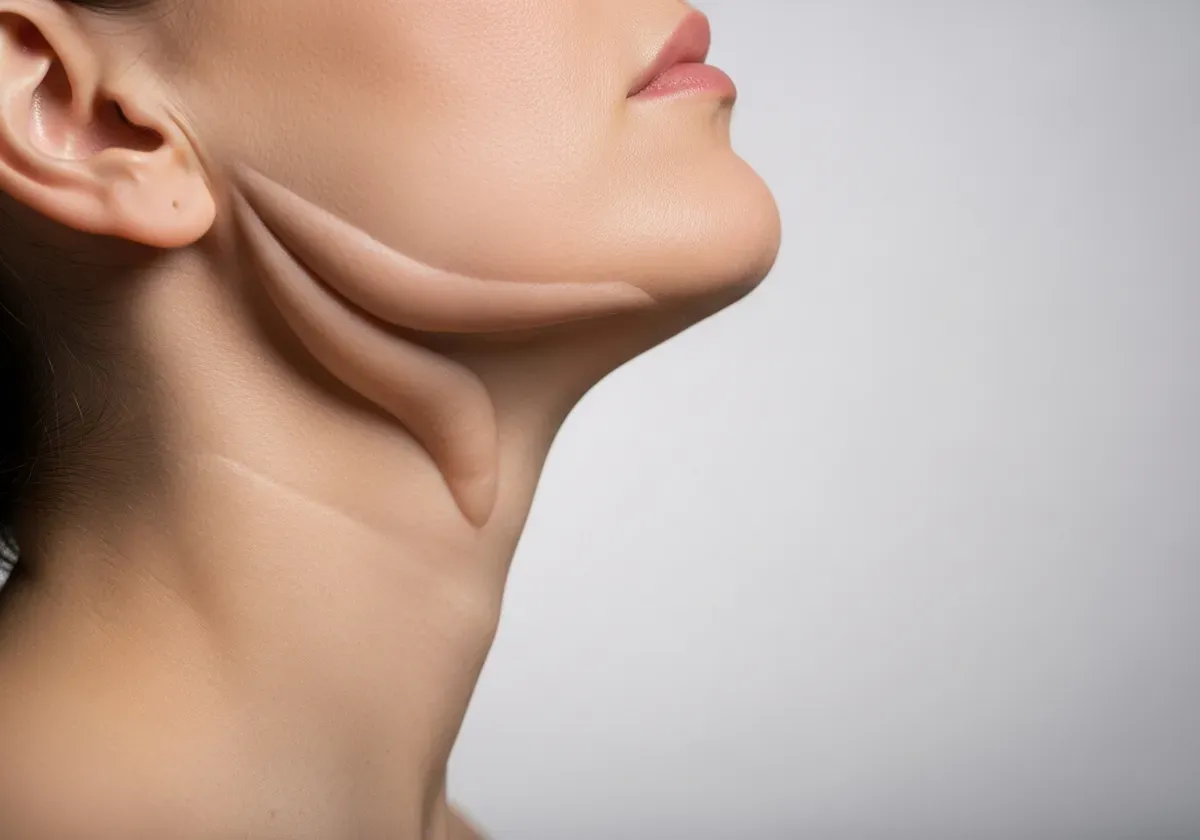
This works beautifully when your bone structure is adequate but obscured. According to research in Annals of Surgical Oncology, appropriate patient selection is crucial because good skin elasticity is required for optimal cosmetic outcomes. After fat removal, your skin must contract and drape smoothly over the new, smaller contour.
The procedure is far less invasive than genioplasty. Most surgeons perform it under local anesthesia with sedation, meaning you're drowsy but breathing on your own. The entire procedure takes 45 minutes to an hour. You go home the same day wearing a compression garment around your chin and neck.
Recovery involves swelling and bruising for one to two weeks. Most people return to work within a week. Results become apparent as swelling subsides over four to six weeks, with final contour visible around three months.
Realistic expectations matter here. Liposuction removes fat, it doesn't reposition bone or significantly tighten loose skin. If your chin is structurally recessed, removing fat might actually make the recession more apparent by eliminating the soft tissue that was partially camouflaging it.
Different Liposuction Techniques and Which Works Best After 55
Traditional tumescent liposuction injects a large volume of dilute local anesthetic and epinephrine into the fat before suctioning. This remains the gold standard and works well for straightforward fat removal. According to research reviewing liposuction techniques, variations include ultrasound-assisted and laser-assisted methods that may offer advantages for specific patients.
Laser-assisted liposuction (marketed under names like SmartLipo) uses laser energy to liquefy fat before removal and theoretically stimulates collagen production for modest skin tightening. For patients over 55 with reduced skin elasticity, this theoretical tightening benefit makes laser-assisted techniques appealing. The evidence for superior skin contraction compared to traditional methods remains debated, but many surgeons report subjectively better results in older patients.
The choice between techniques often comes down to your surgeon's experience and preference rather than dramatic outcome differences. A skilled surgeon achieves excellent results with traditional liposuction; the technology matters less than the technique.
The Skin Elasticity Factor: Will You Need Additional Procedures?
This is the critical question for anyone over 55 considering liposuction. When your surgeon removes fat, the skin that was stretched over that volume must shrink to fit the new, smaller contour. Young skin with abundant collagen and elastin does this readily. Aging skin does not.
During your consultation, the surgeon will assess skin quality by pinching and releasing it, observing how quickly it rebounds. They're looking for laxity, loose, crepey skin that doesn't snap back. Significant laxity means liposuction alone will leave you with loose, hanging skin beneath your chin, which looks worse than the original fat deposit.
In these cases, you need a neck lift or submentoplasty performed simultaneously with or instead of liposuction. These procedures remove excess skin and tighten the underlying platysma muscle, creating the defined jawline and neck angle that liposuction alone cannot achieve when skin quality is poor.
Be honest about this with your surgeon. Many patients want the "quick fix" of liposuction and resist hearing they need more extensive surgery. An ethical surgeon will refuse to perform liposuction on a patient with poor skin elasticity because the results will be disappointing and you'll end up needing revision surgery anyway.
Side-by-Side Comparison: Costs, Risks, Results, and Recovery
Genioplasty costs typically range from $6,000 to $12,000, varying by geographic location and surgeon experience. This includes surgeon fees, facility fees for the operating room, anesthesia costs, and post-operative appointments. You're paying for a more complex procedure requiring general anesthesia and hospital or surgical center resources.

Genioplasty vs. Jaw Liposuction: Key Differences and Considerations
| Factor | Genioplasty | Jaw Liposuction |
|---|---|---|
| Primary Problem It Solves | Insufficient bone structure (mandibular retrognathia) | Excess submental fat obscuring adequate bone |
| What Gets Changed | Chin bone is repositioned forward, backward, or vertically | Excess fat beneath chin and along jawline is removed |
| Type of Surgery | Bone surgery; more invasive | Soft tissue surgery; less invasive |
| Best Candidates | People with recessed chin bone or skeletal deficiency | People with good bone structure hidden by fat |
| Skin Elasticity Requirement | Works at any age | Better results with good skin elasticity; may need additional procedures if skin is lax |
| Permanence | Permanent bone repositioning | Permanent fat removal (though new fat can accumulate) |
| Typical Recovery Time | Several weeks to months for full healing | 1-2 weeks for most activities |
Jaw liposuction costs less, generally $2,500 to $5,500 for the submental area. The lower cost reflects shorter operative time, local anesthesia instead of general, and less facility resource use. Some surgeons perform it in their office procedure room rather than a hospital.
Recovery differs substantially. Liposuction patients typically return to normal activities within a week, though swelling persists for weeks. Genioplasty requires two weeks off work minimum, with dietary restrictions lasting several weeks and complete healing taking months.
Results longevity strongly favors genioplasty. Once your bone is repositioned and healed, that change is permanent. Your skeletal structure has been altered. Liposuction results last as long as you maintain stable weight, but aging-related fat redistribution can gradually diminish the improvement over years.
According to a 2019 study published in Aesthetic Surgery Journal, patient satisfaction rates for chin augmentation procedures, including genioplasty, reached 85-90% at five-year follow-up, with the permanence of results cited as a primary factor in long-term satisfaction. In contrast, research from the American Society of Plastic Surgeons indicates that submental liposuction patients report satisfaction rates of 70-75% at the three-year mark, with approximately 15-20% seeking revision procedures due to age-related changes or weight fluctuations. The same ASPS data shows that genioplasty revision rates remain below 5%, typically only for refinement rather than loss of initial results.
Financial Investment: What Each Procedure Actually Costs
Breaking down genioplasty costs: surgeon fees typically represent $4,000 to $7,000 of the total, reflecting the specialized training required for facial skeletal surgery. Facility fees for operating room time run $1,500 to $3,000. Anesthesiologist fees add another $800 to $1,500. Pre-operative imaging and planning, post-operative medications, and follow-up appointments account for the remainder.
For liposuction, surgeon fees constitute the bulk of the cost at $2,000 to $4,000. Facility fees are lower if performed in-office, around $500 to $1,000. Anesthesia costs less because you're receiving local anesthesia with sedation rather than general anesthesia, typically $300 to $600.
Insurance rarely covers either procedure when performed for purely cosmetic reasons. However, if genioplasty is performed to correct functional problems, severe malocclusion affecting your bite, sleep apnea related to mandibular deficiency, or congenital deformities, insurance may provide partial coverage. You'll need documentation from an orthodontist or sleep medicine specialist demonstrating medical necessity. To be fair, getting insurance approval for cosmetic procedures requires persistence and often appeals.
Risk Profiles and Complication Rates for Each Procedure
Genioplasty carries more significant potential complications due to its invasive nature. The most concerning is mental nerve injury causing permanent numbness or altered sensation in your lower lip and chin. This occurs in approximately 3-5% of cases. Infection rates are low, under 2%, but require antibiotic treatment and potentially hardware removal if severe.
Bone healing complications include malunion (healing in the wrong position), nonunion (failure to heal), or asymmetry requiring revision surgery. These occur in roughly 5-8% of cases. Hardware can become palpable or visible through thin tissue, and some patients request removal after healing completes, requiring a second surgery.
Liposuction complications are generally less severe. Contour irregularities, lumps, bumps, or asymmetry, occur in 5-10% of cases and may require revision. Skin irregularities including dimpling or waviness happen when too much fat is removed from one area. Hematoma (blood collection) and seroma (fluid collection) occur in about 3-5% of cases.
For patients over 55, general anesthesia carries additional cardiovascular risks that increase with age and pre-existing conditions. Your surgeon will require medical clearance including EKG and possibly cardiac stress testing before genioplasty. Liposuction's local anesthesia option significantly reduces these systemic risks.
"The safety profile of submental liposuction is excellent when performed under local anesthesia, with major complication rates well under 1%," says Dr. Rod Rohrich, Distinguished Professor and Founding Chair of Plastic Surgery at UT Southwestern Medical Center. "In contrast, procedures requiring general anesthesia and bone manipulation carry inherently higher risks, particularly for older patients with cardiovascular comorbidities."
When Combining Both Procedures Makes Sense (And When It Doesn't)
Some patients need both structural advancement and fat removal to achieve optimal results. If your chin bone is moderately recessed and you also have excess submental fat, performing both procedures simultaneously creates the most dramatic improvement. The genioplasty brings the bone forward while liposuction removes the soft tissue obscuring the new skeletal contour.
Surgeons often combine these procedures because the recovery periods overlap, you're already taking time off work and dealing with swelling, so addressing both issues at once makes practical sense. The combined surgery typically adds only 30-45 minutes to operative time.
However, combined surgery isn't always appropriate. If you have significant medical conditions that increase anesthesia risk, your surgeon may recommend staging the procedures several months apart. This allows your body to recover fully between surgeries and reduces the cumulative physiologic stress.
When bone advancement alone will achieve your goals, adding liposuction is unnecessary and increases costs, risks, and swelling without proportional benefit. Conversely, if your bone structure is excellent and fat is the only issue, genioplasty is overkill, you don't need major skeletal surgery when a minimally invasive procedure will suffice.
The decision requires honest assessment of your anatomy and goals. Look, some patients push for combined surgery because "if I'm doing one, I might as well do both." That's not sound surgical reasoning. Each procedure should address a specific anatomical problem you actually have.
Medical Clearance and Health Requirements for Combined Surgery
Before combined genioplasty and liposuction, patients over 55 typically need comprehensive pre-operative testing. Your surgeon will require recent laboratory work including complete blood count, metabolic panel, and coagulation studies to ensure you can safely undergo surgery and heal normally.
Cardiac clearance becomes essential. An EKG is standard; depending on your history, your surgeon may request an echocardiogram or cardiac stress test. If you have known heart disease, your cardiologist must formally clear you for surgery and may recommend specific perioperative management.
Medication adjustments are necessary. Blood thinners like aspirin, clopidogrel, or anticoagulants must be stopped before surgery, but only under your prescribing physician's supervision. Some patients require bridging protocols. Anti-inflammatory medications also increase bleeding risk and should be discontinued two weeks pre-operatively.
Smoking is an absolute contraindication. Nicotine constricts blood vessels, dramatically increasing infection risk and compromising bone healing. Most surgeons require smoking cessation at least four weeks before and after surgery, verified with nicotine testing. This is non-negotiable for bone procedures.
Alternative and Non-Surgical Options to Consider First
Before committing to surgery, consider less invasive alternatives that might address your concerns adequately. Chin implants offer an alternative to genioplasty for patients who need forward projection but don't require vertical changes or asymmetry correction. The surgery is less invasive, no bone cutting, and recovery is faster, though implants carry risks of shifting, infection, or eventual removal.

Injectable fillers like hyaluronic acid or calcium hydroxylapatite can augment a recessed chin non-surgically. Results are temporary, lasting 12-18 months, but there's no surgery or downtime. For patients uncertain about permanent changes or medically unsuitable for surgery, fillers provide a trial run. The cost is lower per treatment but accumulates over time with repeated injections.
Kybella, an injectable deoxycholic acid, destroys fat cells beneath the chin. According to clinical trial data, it requires multiple treatment sessions spaced weeks apart, causes significant temporary swelling, and works best for small to moderate fat deposits. Results are permanent for destroyed fat cells, but it doesn't tighten skin or address bone structure. For older patients with skin laxity, Kybella often disappoints because removing fat without tightening skin creates a deflated appearance.
Radiofrequency or ultrasound-based skin tightening treatments (Ultherapy, Thermage) use energy to heat deep tissue layers, stimulating collagen production. These provide modest tightening over several months. Honestly, results are subtle, helpful for mild laxity but inadequate for significant skin excess or structural deficiency.
Weight loss deserves mention. If you're significantly overweight, losing 20-30 pounds might dramatically improve your jawline by reducing submental fat. Worth trying before surgery.
The right alternative depends on your specific anatomy, goals, medical status, and tolerance for downtime and expense. Many patients benefit from a staged approach: try non-surgical options first, then proceed to surgery if results prove insufficient. There's no obligation to jump straight to the most invasive option, and a good surgeon will discuss this progression honestly with you.
Related Articles
- Jawline Improvement: Bone Smashing, Exercises & Surgery Guide
- Looksmaxxing: What to Do First (Beginner Checklist)
- The Ultimate Looksmaxxing Guide: Step-by-Step Improvement Plan
- Looksmaxxing Face Rater: How to Rate Your Own Facial Features
- PSL Rating System: Understanding PSL Score & Attractiveness Scale
Frequently Asked Questions
How can I tell if my weak jawline is caused by bone structure or fat deposits?
Stand in front of a mirror and tilt your head back slightly, then gently lift the soft tissue under your chin upward. If a defined jawline appears, your bone structure is adequate and fat removal (liposuction) is likely your solution. If the jawline remains weak even when lifted, you probably have a bone structure issue requiring genioplasty. For a definitive assessment, consult a plastic surgeon who can evaluate both elements.
Is genioplasty or jaw liposuction better for people over 55?
Neither is universally "better"—it depends on your specific anatomy. However, jaw liposuction may be preferable for older adults because it's less invasive with shorter recovery. Genioplasty requires bone repositioning and longer healing, which can be more challenging for older patients. Skin elasticity is also a consideration; if your skin has lost elasticity, you may need additional procedures alongside liposuction for optimal results.
Can I have both genioplasty and jaw liposuction done at the same time?
Yes, combining both procedures makes sense when you have both inadequate bone structure and excess fat deposits obscuring your jawline. However, you'll need medical clearance confirming you're healthy enough for combined surgery, and recovery will be longer than either procedure alone. Your surgeon will determine if combining them is appropriate based on your overall health and anatomical needs.
How long is the recovery period for each procedure?
Jaw liposuction typically has a faster recovery—most people return to normal activities within 1-2 weeks, though swelling persists for several weeks. Genioplasty requires longer recovery, usually 4-6 weeks before returning to regular activities, with full bone healing taking several months. Recovery timelines vary based on age, overall health, and the extent of surgery.
Will my jawline look natural after surgery, or will it appear overdone?
When performed by an experienced surgeon, both procedures create natural-looking results that enhance facial harmony rather than appearing artificial. The key is proper surgical planning—your surgeon should aim for balance with your other facial features, not maximum projection. Results depend on choosing the right procedure for your specific anatomy and having realistic expectations about what's anatomically possible for your face.
What happens to my jawline as I age—will surgery results last?
Genioplasty results are permanent because the bone is repositioned. However, natural aging continues—your face will still experience bone resorption and soft tissue changes over decades. Jaw liposuction results can last indefinitely if you maintain your weight, but fat can return if you gain weight, and aging will continue to affect skin elasticity and facial contours over time.
Are there non-surgical alternatives to genioplasty and jaw liposuction?
Yes, non-surgical options exist but have limitations. Dermal fillers can add subtle volume to the chin area, and radiofrequency or ultrasound treatments may tighten skin slightly. However, these cannot address significant bone deficiency or remove substantial fat deposits. They work best as temporary solutions or for minor refinements, not for correcting a truly weak jawline.
What are the main risks and complications associated with each procedure?
Jaw liposuction risks include nerve damage (affecting sensation), asymmetry, and inadequate results if skin doesn't retract properly. Genioplasty risks include infection, nerve injury, bite problems, and asymmetry. Both procedures carry anesthesia risks. Serious complications are rare when performed by board-certified surgeons, but you should discuss specific risks based on your health history during your consultation.