Looksmaxxing for Men: Complete Guide to Male Self-Improvement
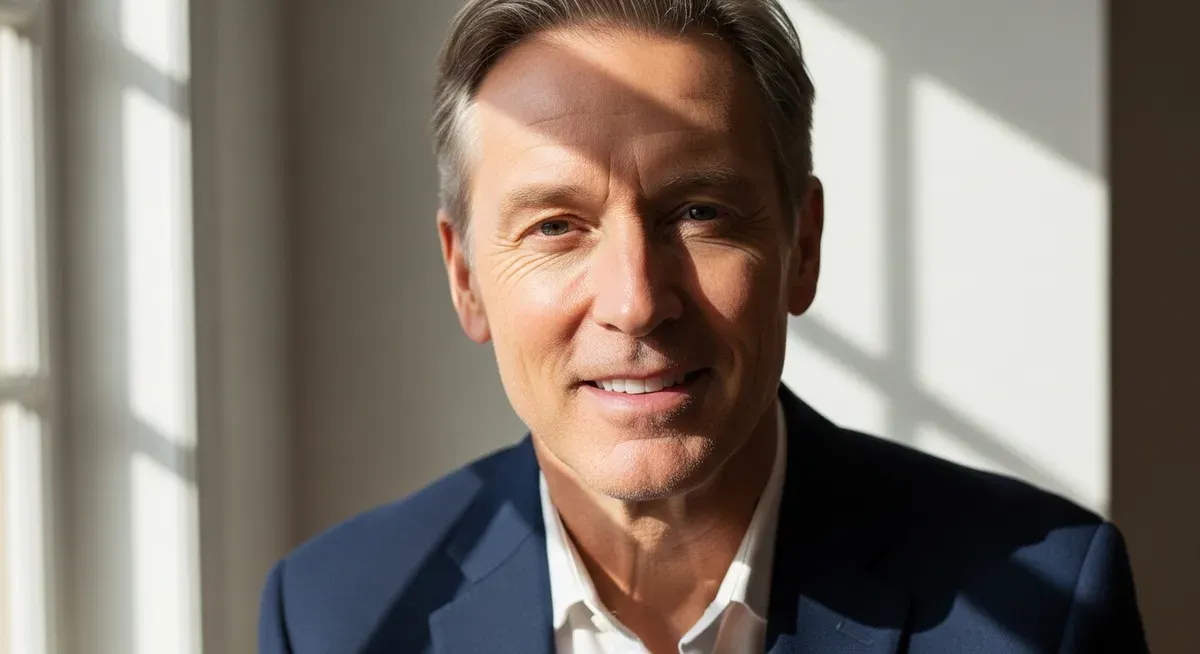
Looksmaxxing for men means systematically improving your appearance through evidence-based methods like skincare, fitness, nutrition, grooming, and wardrobe optimization. It's not about vanity or chasing impossible standards. For men over 55, it's about health-focused enhancement that builds confidence, supports vitality, and helps you look as capable as you feel. The approach combines dermatology-backed skincare, age-appropriate strength training, strategic grooming, and smart wardrobe choices to maximize your natural features while prioritizing safety and sustainability over internet extremes.
Table of Contents
- What Is Looksmaxxing? Understanding Modern Male Self-Improvement
- The Origins and Evolution of Looksmaxxing
- Why Mature Men Are Embracing Self-Improvement
- The Health-First Foundation: Medical Considerations Before You Begin
- Essential Health Screenings and Doctor Consultations
- Understanding Your Physical Baseline and Limitations
- Strategic Skincare: Age-Appropriate Routines That Actually Work
- The Essential 4-Step Skincare Routine for Men Over 55
- Key Ingredients That Address Mature Skin Concerns
- Professional Treatments Worth Considering
- Fitness and Body Composition: Sustainable Strength at Any Age
- Strength Training Essentials for Men Over 55
- Cardiovascular Health and Body Fat Management
- Mobility, Posture, and Injury Prevention
- Nutrition and Hormonal Health: Fueling Your Transformation
- Macronutrient Targets and Meal Structure
- Anti-Inflammatory Eating and Skin Health
- Supplements, Testosterone, and Medical Oversight
- Grooming Fundamentals: Hair, Facial Hair, and Personal Maintenance
- Hair and Scalp Care Strategies
- Facial Hair: Strategic Choices and Maintenance
- Dental Care and Smile Maintenance
- Hands, Nails, and Often-Overlooked Details
- Wardrobe Optimization: Dressing for Your Body and Life Stage
- Building a Foundation Wardrobe
- Age-Appropriate Style Guidelines
- Shoes, Accessories, and Finishing Touches
- Sleep, Stress Management, and Mental Wellness
- Sleep Quality and Recovery
- Stress Reduction and Cortisol Management
- Mental Health and Self-Perception
- Creating Your Personal Looksmaxxing Action Plan
- Phase 1: Foundation (Months 1-3)
- Phase 2: Building Momentum (Months 4-6)
- Phase 3: Refinement (Months 7-12)
What Is Looksmaxxing? Understanding Modern Male Self-Improvement
The term "looksmaxxing" emerged from online forums where young men discussed appearance optimization. It sounds strange at first. The concept, though, is straightforward: making deliberate, strategic improvements to how you look and feel.
Think of it as a framework for self-improvement that goes beyond "just exercise more" or "dress better." It's systematic. You identify specific areas where enhancement makes sense, then apply proven methods to address them.
For mature men, this has nothing to do with the extreme approaches sometimes promoted online. We're talking about practical health improvements that happen to make you look better.
The Origins and Evolution of Looksmaxxing
The term started in internet communities focused on dating and self-improvement, often with questionable advice mixed in. That early environment produced both useful insights and complete nonsense.
Over time, the core concept separated from the extremism. Medical professionals, trainers, and dermatologists essentially practice looksmaxxing without using the term, they just call it preventive health, strength training, and evidence-based skincare.
The mainstream version focuses on what actually works according to research. No gimmicks, no dangerous shortcuts, no obsessive measuring. Just practical improvements grounded in science.
For men over 55, this evolution matters because you can now access the useful framework without wading through the internet garbage that surrounded it initially.
Why Mature Men Are Embracing Self-Improvement
Men in their late fifties, sixties, and beyond have specific motivations that younger guys don't fully understand yet. Health becomes non-negotiable. You've seen friends decline, and you're determined not to follow that path.
Many men at this stage are re-entering dating after divorce or widowhood. The landscape has changed completely, and first impressions matter more than they did decades ago. Looking healthy and put-together signals that you're an active participant in life, not someone who's checked out.
Professional presence still matters too, especially if you're working past traditional retirement age or consulting. Looking vital and energetic affects how colleagues and clients perceive your capabilities. I'll never forget the moment at my 58th birthday dinner when I caught my reflection in the restaurant window—stooped posture, rumpled shirt hanging oddly, looking a decade older than I felt inside. That disconnect hit hard. The next morning, I started researching what I could actually control about my appearance and health, and realized I'd been coasting on autopilot for years while my body gradually deteriorated.
Honestly, there's also the simple desire to feel relevant. Society pushes narratives about aging that you don't have to accept. Strategic self-improvement is one way to push back against being written off or ignored.
The Health-First Foundation: Medical Considerations Before You Begin
Before changing anything about your routine, you need medical clearance. This isn't optional paperwork, it's the difference between sustainable improvement and potential harm.

Your body at 55-plus operates under different rules than it did at 35. Medications interact with supplements. Exercise that was safe before might stress joints or cardiovascular systems now. Skin treatments that work for younger men can cause problems with mature skin or existing conditions.
Starting without medical input is reckless. You wouldn't renovate a house without checking the foundation first.
Essential Health Screenings and Doctor Consultations
Schedule a comprehensive physical before making any significant lifestyle changes. Your doctor should run a cardiovascular assessment including blood pressure, cholesterol panels, and potentially a stress test depending on your history.
Hormone levels matter more than most men realize. Testosterone naturally declines with age, but the rate varies dramatically between individuals. A simple blood test reveals whether you're within normal ranges or dealing with clinically low levels that affect everything from muscle maintenance to skin quality.
Request a complete metabolic panel checking kidney and liver function. These organs process everything you consume, from protein supplements to skincare products. Knowing their baseline function prevents problems down the road.
Bone density screening identifies osteoporosis risk before you start resistance training. Vitamin D and B12 deficiencies are common in older adults and affect both appearance and energy levels (According to the National Institute on Aging).
Get a thorough skin examination by a dermatologist. Sun damage from decades past often appears now, and distinguishing between age spots and potential skin cancer requires professional assessment before you start any cosmetic skincare routine.
Understanding Your Physical Baseline and Limitations
Realistic self-assessment prevents injury and disappointment. Take front, side, and back photos in consistent lighting. Measure body composition if possible, many gyms and medical offices offer DEXA scans or bioelectrical impedance testing.
Document current capabilities honestly. How many push-ups can you do with proper form? Can you touch your toes? How far can you walk comfortably? These baselines help you track genuine progress rather than chasing arbitrary standards.
Identify existing limitations that require modifications. Arthritis, previous injuries, chronic conditions, these don't disqualify you from improvement, but they do change your approach. A good trainer or physical therapist can design around limitations rather than ignoring them.
Set goals based on your body's reality, not magazine covers. Your objective is to maximize your potential, which looks different for everyone. Some men will build significant muscle; others will focus on mobility and posture correction. Both are valid.
Strategic Skincare: Age-Appropriate Routines That Actually Work
Most men over 55 have never used more than soap and maybe aftershave. That approach worked fine for decades. Now it's leaving results on the table.
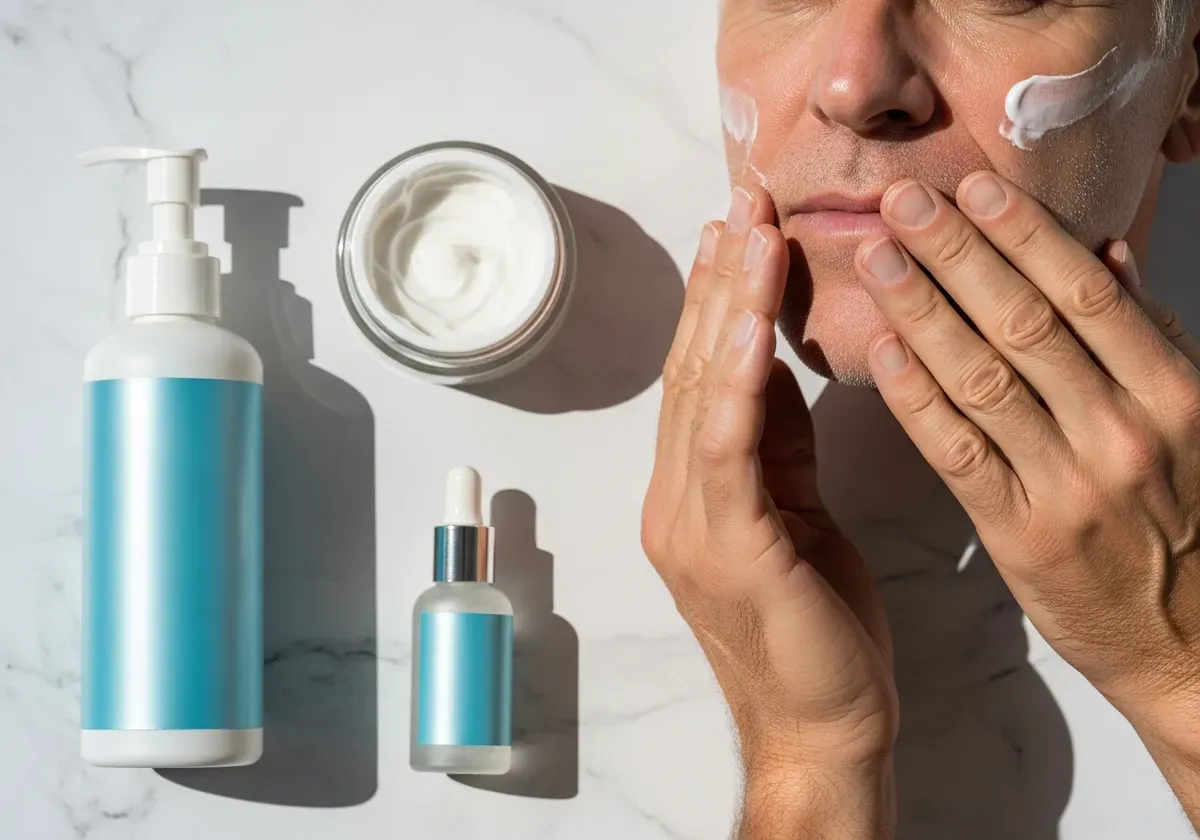
Mature skin has different needs than young skin. It's thinner, drier, and shows accumulated sun damage. The good news is that consistent, evidence-based skincare produces visible improvements within weeks, not months.
You don't need twenty products or a complicated routine. Four steps, twice daily, using ingredients with actual research behind them.
The Essential 4-Step Skincare Routine for Men Over 55
Start with a gentle cleanser morning and evening. Harsh soaps strip natural oils that mature skin desperately needs. Look for cream or gel cleansers labeled "gentle" or "hydrating." Wash with lukewarm water, not hot, which further dries skin.
Treatment products come second, applied to clean, slightly damp skin. This is where active ingredients work. In the evening, use a retinoid product, these vitamin A derivatives have the strongest research supporting wrinkle reduction and skin texture improvement (According to the American Academy of Dermatology).
Start with a low concentration retinol or adapalene to build tolerance. Apply pea-sized amounts every third night initially, gradually increasing to nightly use over several weeks. Expect some mild flaking or redness at first, that's normal adjustment.
Morning treatment should focus on antioxidants, particularly vitamin C serums. These protect against environmental damage and brighten age spots. Apply after cleansing, before moisturizer.
Moisturizer goes on third, sealing in the treatment products and adding hydration. Look for ingredients like hyaluronic acid, ceramides, and glycerin. Mature skin needs richer formulations than younger skin, don't shy away from products labeled "for dry skin."
Sunscreen is the final morning step and the single most important anti-aging product you'll ever use (According to the American Academy of Dermatology). Use broad-spectrum SPF 30 or higher daily, even when it's cloudy. This prevents further damage while other products repair existing issues.
Key Ingredients That Address Mature Skin Concerns
Retinoids deserve their reputation as the gold-standard anti-aging ingredient. They increase cell turnover, stimulate collagen production, and fade sun damage. Prescription-strength tretinoin works fastest, but over-the-counter retinol still produces results with less irritation.
Vitamin C serums address discoloration and provide antioxidant protection. Look for L-ascorbic acid in concentrations between 10-20%. Store these products carefully, vitamin C degrades quickly when exposed to light and air.
Hyaluronic acid doesn't penetrate deeply, but it holds up to 1,000 times its weight in water, plumping the skin's surface and reducing the appearance of fine lines. It works best when applied to damp skin, then sealed with moisturizer.
Niacinamide (vitamin B3) improves skin barrier function, reduces inflammation, and minimizes pore appearance. It's gentler than retinoids and can be used both morning and night.
Results take time. You'll notice improved texture within 2-3 weeks, but significant changes to wrinkles and pigmentation require 3-6 months of consistent use. "Niacinamide is one of the most versatile and well-tolerated ingredients in skincare. It strengthens the skin barrier, reduces inflammation, and improves the appearance of enlarged pores without the irritation associated with stronger actives," says Dr. Joshua Zeichner, Director of Cosmetic and Clinical Research in Dermatology at Mount Sinai Hospital in New York City.
Professional Treatments Worth Considering
Dermatologist-administered treatments accelerate results beyond what home care achieves alone. Chemical peels using glycolic or salicylic acid remove damaged outer layers, revealing fresher skin beneath. A series of light peels costs $150-300 each and requires minimal downtime.
Laser treatments target specific concerns like age spots, broken capillaries, or deeper wrinkles. Costs range from $500 to several thousand depending on the type and coverage area. Recovery varies from a few days of redness to two weeks of more significant peeling.
Microneedling creates controlled micro-injuries that stimulate collagen production. It's less aggressive than lasers but still produces measurable improvements in skin texture and fine lines. Expect 3-6 sessions spaced monthly, at $300-700 per session.
These aren't necessary for everyone, but they can jump-start improvements if you're willing to invest. Always choose board-certified dermatologists over med-spas for these procedures.
Fitness and Body Composition: Sustainable Strength at Any Age
Your fitness program should prioritize function, strength preservation, and injury prevention over aesthetics. Looking better is a welcome side effect of training that keeps you capable and independent.

Evidence-Based Skincare Ingredients for Mature Male Skin
| Ingredient | Primary Benefit | Typical Concentration | Frequency of Use | Safety Notes |
|---|---|---|---|---|
| Retinol/Retinoids | Reduces fine lines, improves skin texture, stimulates collagen | 0.25%-1% | 3-5x weekly (start low) | Increases sun sensitivity; use SPF 30+ daily |
| Vitamin C (L-Ascorbic Acid) | Brightens skin, antioxidant protection, supports collagen | 10-20% | Once daily (morning) | Unstable in light; store in dark bottles |
| Niacinamide | Reduces pore size, strengthens skin barrier, anti-inflammatory | 4-10% | Twice daily | Well-tolerated; safe for sensitive skin |
| Hyaluronic Acid | Deep hydration, plumps fine lines, improves elasticity | 0.5-2% | Twice daily | Works best on damp skin; layer under moisturizer |
| Sunscreen (Broad-Spectrum) | Prevents UV damage, prevents age spots, protects against skin cancer | SPF 30+ | Daily (reapply every 2 hours) | Non-negotiable; use even on cloudy days |
| Peptides | Supports collagen production, firms skin, reduces wrinkles | 1-5% | Once or twice daily | Works gradually; requires consistent use for 8+ weeks |
The biggest mistake men make after 55 is either doing nothing or trying to train like they did at 30. Both approaches fail. You need age-appropriate programming that acknowledges changed recovery capacity while still providing enough stimulus to maintain and build muscle.
Muscle mass naturally declines about 3-5% per decade after 30, accelerating after 60. Strength training directly counteracts this process, which affects everything from metabolism to bone density to how clothes fit.
Strength Training Essentials for Men Over 55
Train with weights 2-3 times per week, focusing on major movement patterns rather than isolation exercises. Squats (or modifications), hinges like deadlifts or Romanian deadlifts, horizontal and vertical pushing, horizontal and vertical pulling, and loaded carries form the foundation.
Start with bodyweight or light resistance to master proper form. Poor technique under load causes the injuries that sideline men permanently. Consider hiring a qualified trainer for at least 6-10 sessions to establish movement patterns correctly.
Progressive overload remains important, but it looks different now. Instead of adding weight every week, you might add a rep, improve range of motion, or slow down the tempo. Progress is progress, regardless of the specific metric.
Recovery matters more than training volume. You need 48-72 hours between sessions working the same muscle groups (According to the National Institute on Aging). Sleep, nutrition, and stress management affect recovery as much as the training itself.
Working with a trainer familiar with mature clients prevents common mistakes. After my first serious strength session in decades, I made the rookie mistake of doing a full-body workout on Monday and trying to repeat it Wednesday—my lower back seized up so badly I could barely get out of bed Thursday morning. Now I follow a simple rule: legs Monday, upper body Thursday, with walking and stretching in between. The soreness still comes, but it's manageable, and I'm actually seeing definition in my arms again after six months of this patient approach. They understand how to modify exercises for joint issues, balance concerns, or previous injuries while still providing effective stimulus.
Cardiovascular Health and Body Fat Management
The American Heart Association recommends at least 150 minutes per week of moderate-intensity aerobic activity. That's 30 minutes, five days weekly, walking, cycling, swimming, or any activity that elevates heart rate sustainably.
High-intensity interval training can be adapted for older adults with proper medical clearance. Short bursts of harder effort followed by recovery periods improve cardiovascular fitness efficiently. This might mean 30 seconds of brisk walking alternated with 90 seconds of normal pace, not sprinting until you collapse.
Body fat reduction for men over 55 requires patience. Aim for 0.5-1% body fat loss per month through moderate caloric restriction combined with strength training. Faster loss typically sacrifices muscle mass you can't afford to lose.
Realistic body composition targets for this age group typically range from 15-22% body fat, depending on individual factors. Lower isn't automatically better when it compromises hormone production or requires unsustainable restriction.
Mobility, Posture, and Injury Prevention
Flexibility and mobility work prevents the stiffness that makes men look and feel old. Spend 10-15 minutes daily on basic stretching, focusing on hips, shoulders, and thoracic spine, areas where most men develop restrictions.
Forward head posture and rounded shoulders plague men who've spent decades at desks. These postural issues make you appear older and less confident regardless of muscle mass or body fat. Corrective exercises targeting upper back strength and chest flexibility address these patterns.
Balance training becomes critical for fall prevention (According to the National Institute on Aging). Simple single-leg stands, heel-to-toe walking, or tai chi classes significantly reduce injury risk while improving functional capability.
Warm up properly before any training session. Five minutes of light cardio followed by dynamic stretching prepares joints and muscles for work. Cool down with static stretching afterward.
Nutrition and Hormonal Health: Fueling Your Transformation
What you eat affects how you look as much as any skincare product or exercise program. Nutrition influences body composition, skin quality, energy levels, and hormone production, all visible markers of vitality.
The challenge for men over 55 is that metabolic rate has slowed, nutrient absorption may have decreased, and hormonal changes affect how your body processes food. You can't eat like you did at 40 and expect the same results.
Evidence-based nutrition for this demographic emphasizes protein adequacy, anti-inflammatory whole foods, and strategic supplementation under medical supervision. Forget fad diets.
Macronutrient Targets and Meal Structure
Protein requirements increase with age to maintain muscle mass. Research suggests 1.0-1.2 grams per kilogram of body weight daily, significantly higher than the standard RDA of 0.8 g/kg (According to research published in Advances in Nutrition).
For a 180-pound man, that's roughly 80-100 grams of protein daily. Distribution matters too, aim for 25-30 grams per meal to optimally stimulate muscle protein synthesis rather than consuming most protein at dinner.
Carbohydrates should come primarily from vegetables, fruits, and whole grains. These provide fiber, micronutrients, and sustained energy without the blood sugar spikes that promote fat storage and inflammation. Total carb intake depends on activity level, but 40-50% of calories is reasonable for most men.
Healthy fats support hormone production and nutrient absorption. Include sources like olive oil, fatty fish, avocados, and nuts. Aim for 25-30% of total calories from fat, emphasizing unsaturated varieties.
Meal timing is less critical than total daily intake, but consistent eating patterns help regulate appetite and energy. Three meals with optional protein-rich snacks works well for most men.
Anti-Inflammatory Eating and Skin Health
Chronic inflammation accelerates visible aging and undermines health. An anti-inflammatory diet emphasizes colorful vegetables, berries, fatty fish rich in omega-3s, olive oil, and nuts while limiting processed foods, excess sugar, and refined grains.
Hydration directly affects skin appearance. Well, most men walk around mildly dehydrated without realizing it. Aim for half your body weight in ounces of water daily, 90 ounces for a 180-pound man. More if you're training hard or in hot weather.
Alcohol deserves honest assessment. Moderate consumption (up to two drinks daily for men) may be fine, but regular heavy drinking damages skin quality, disrupts sleep, and interferes with muscle recovery. If you're serious about improvement, cutting back shows results quickly.
Supplements, Testosterone, and Medical Oversight
Most men can benefit from a few basic supplements: vitamin D (many older adults are deficient), omega-3 fish oil (if not eating fatty fish regularly), and possibly a quality multivitamin to cover nutritional gaps.
Protein powder isn't necessary but offers convenience when whole food sources are impractical. Whey or plant-based options both work fine. Look for products third-party tested for purity.
Testosterone replacement therapy (TRT) is a medical decision requiring thorough evaluation. If blood tests confirm clinically low levels and you're experiencing symptoms, TRT under physician supervision can significantly improve muscle maintenance, energy, and overall vitality. Self-administering or using questionable sources is dangerous.
Avoid supplements promising miracle results. Creatine monohydrate has solid research supporting strength and muscle gains. Most other performance supplements are either minimally effective or completely useless. "Testosterone replacement should only be considered when there's a confirmed diagnosis of hypogonadism with both low lab values and clinical symptoms. It's not a performance enhancer for healthy men, and unsupervised use carries serious cardiovascular and fertility risks," says Dr. Abraham Morgentaler, Associate Clinical Professor of Urology at Harvard Medical School and founder of Men's Health Boston.
Grooming Fundamentals: Hair, Facial Hair, and Personal Maintenance
Grooming signals that you pay attention to details and respect yourself enough to maintain standards. It's the lowest-effort, highest-impact improvement area for most men.
The goal isn't to look like you spent hours preening. It's to look clean, intentional, and put-together, like someone who has his act together.
Hair and Scalp Care Strategies
If you still have hair, keep it styled appropriately for your age and face shape. Longer styles rarely work well on men over 55 unless you're willing to invest serious maintenance. Shorter, well-maintained cuts look sharper and require less daily effort.
Gray hair looks distinguished when it's healthy and well-cut. It looks old when it's unkempt or yellowed. Use purple-tinted shampoos weekly to counteract yellow tones if needed.
Thinning hair requires strategic decisions. You can embrace it with a shorter cut, use proven treatments like minoxidil or finasteride (with medical supervision), or shave it completely. The worst option is the combover or denial strategy.
Scalp health matters more as hair thins. Keep it clean, moisturized, and protected from sun damage. A healthy scalp supports whatever hair remains and prevents the flaky, irritated appearance that adds years.
Facial Hair: Strategic Choices and Maintenance
Beards can work exceptionally well for mature men, adding definition to the jawline and covering age-related skin changes. They can also look terrible if poorly maintained.
If you're growing a beard, commit to regular trimming and shaping. Invest in quality clippers and learn to maintain clean lines at the neck and cheeks. Beard oil or balm keeps facial hair soft and manageable while moisturizing the skin underneath.
Clean-shaven remains a solid choice, especially if your beard grows patchy or you prefer the look. Use sharp blades, proper technique, and post-shave moisturizer to prevent irritation. Electric razors work fine if you find a quality model that suits your skin.
Nose and ear hair becomes more prominent with age. Trim it weekly using dedicated trimmers. This takes two minutes and makes a significant difference in overall polish.
Dental Care and Smile Maintenance
Your smile affects first impressions more than almost any other feature. Professional cleanings every six months prevent gum disease and catch problems early. Teeth whitening, either professional or quality at-home systems, removes decades of staining.
If you have missing or damaged teeth, modern dentistry offers solutions from implants to veneers. These aren't cheap, but they're investments in how you're perceived professionally and socially.
Daily flossing and brushing prevent the gum recession and tooth loss that age many faces prematurely. Electric toothbrushes remove plaque more effectively than manual brushing for most people.
Hands, Nails, and Often-Overlooked Details
Hands show age dramatically and are constantly visible during conversations and professional interactions. Keep nails trimmed short and clean. Moisturize hands daily, the same face moisturizer works fine.
Rough calluses, hangnails, and cracked cuticles signal neglect. A basic manicure every few weeks (professional or self-administered) maintains presentable hands without requiring polish or anything that feels excessive.
Body hair management is personal preference, but excessive back or shoulder hair that shows above collar lines typically looks unkempt. Trimming or removal is worth considering.
Wardrobe Optimization: Dressing for Your Body and Life Stage
Clothes that fit properly and suit your current body make you look 10-15 pounds lighter and significantly more put-together. Most men wear clothes that are too big, too outdated, or simply wrong for their proportions.
You don't need an enormous wardrobe or designer labels. You need well-fitting basics in appropriate styles and colors for your age, coloring, and lifestyle.
Building a Foundation Wardrobe
Start with fit. Shoulders should align with your natural shoulder line, not extend past it. Shirts should follow your torso without excessive fabric bunching at the waist. Pants should sit at your natural waist (higher than you probably wear them now) without requiring a belt to stay up.
Tailoring is not optional for proper fit. Off-the-rack clothes rarely fit perfectly. Budget $15-30 per garment for basic alterations, hemming pants, taking in shirts, adjusting jacket sleeves. This transforms average clothes into custom-looking pieces.
Build around neutral colors: navy, gray, white, and tan. These work for most men and coordinate easily. Add accent colors that complement your skin tone and hair color. Avoid trendy patterns or colors that will look dated quickly.
Quality over quantity makes sense at this stage. Three well-made shirts that fit perfectly beat ten cheap ones that don't. Focus on natural fibers like cotton, wool, and linen that breathe and drape better than synthetics.
Age-Appropriate Style Guidelines
Dressing your age doesn't mean giving up on style, it means avoiding clothes designed for different body types and life stages. Skinny jeans, graphic tees, and distressed denim rarely work well on men over 55.
Classic styles, straight or slightly tapered pants, plain or simply patterned shirts, structured jackets, look sophisticated and timeless. They won't make you look like you're trying too hard or clinging to youth.
Fit matters more than fashion. A simple outfit that fits impeccably looks better than trendy pieces that don't suit your body. Pay attention to proportions, if you're carrying extra weight around the middle, structured jackets and proper-rise pants create better lines than casual, unstructured pieces.
Color choices affect how people perceive your skin tone and overall health. Jewel tones and rich earth tones typically flatter mature men better than pastels or very bright colors. Experiment to find what works with your specific coloring. Last year I finally bit the bullet and hired a tailor to take in three of my button-downs that had been hanging like tents since I lost 20 pounds. The difference was stunning—suddenly colleagues were commenting that I looked "sharp" and "put-together" when literally nothing had changed except removing two inches of fabric from each side. That $75 investment taught me that I'd been sabotaging myself for years by wearing technically "my size" clothes that didn't actually fit my frame.
Shoes, Accessories, and Finishing Touches
Shoes communicate more than most men realize. Worn-out sneakers or scuffed dress shoes undermine otherwise good outfits. Invest in 3-4 quality pairs: casual leather shoes or clean sneakers, dress shoes, and weather-appropriate boots.
Keep shoes clean and in good repair. Polish leather regularly, replace worn laces, and resole quality shoes rather than replacing them. This maintenance extends life and maintains appearance.
Watches, belts, and bags should coordinate in metal tone and leather color. You don't need expensive accessories, but cheap-looking ones hurt your overall presentation. One quality leather belt and watch beat multiple low-quality options.
Glasses are accessories now, not just vision correction. Modern frames in appropriate sizes and shapes can significantly enhance your appearance. Update them every few years as styles and your face change.
Sleep, Stress Management, and Mental Wellness
How you look reflects how you feel. Chronic stress, poor sleep, and mental health struggles show up in your face, posture, and overall presence faster than any skincare routine can fix.
These factors aren't separate from physical improvement, they're foundational to it. You can't out-train, out-supplement, or out-groom persistent sleep deprivation or unmanaged stress.
Sleep Quality and Recovery
Adults need seven or more hours of sleep per night for optimal health (According to the CDC). Insufficient sleep is linked to obesity, heart disease, and diabetes, all conditions that affect appearance and aging.
Sleep quality matters as much as quantity. Keep your bedroom cool (65-68°F), dark, and quiet. Establish consistent sleep and wake times, even on weekends. Your body responds to routine.
Limit screen time for an hour before bed. Blue light disrupts melatonin production. If you must use devices, enable night mode or wear blue-light blocking glasses.
Address sleep disorders professionally. Sleep apnea, common in older men, destroys sleep quality and contributes to numerous health problems. If you snore heavily or wake feeling unrefreshed, get evaluated.
Poor sleep shows immediately in facial puffiness, dark circles, and overall fatigue. Consistent, quality sleep is free anti-aging treatment that actually works.
Stress Reduction and Cortisol Management
Chronic stress elevates cortisol, which promotes abdominal fat storage, breaks down muscle tissue, and accelerates skin aging. Managing stress isn't optional self-care, it's necessary for the physical improvements you're pursuing.
Regular exercise helps, but dedicated stress-reduction practices amplify benefits. Meditation, deep breathing exercises, or simple daily walks in nature all lower cortisol levels measurably.
Social connection matters more than most men acknowledge. Isolation and loneliness create stress that manifests physically. Maintain friendships, join groups aligned with your interests, and invest in relationships.
If you're dealing with significant life stressors, retirement adjustment, relationship changes, health concerns, professional counseling provides tools that self-help can't match. There's no shame in getting support.
Mental Health and Self-Perception
Improving your appearance should enhance confidence, not create obsession or anxiety. If you find yourself constantly comparing to others, spending excessive time on appearance-related activities, or feeling worse despite improvements, step back and reassess.
The goal is feeling good in your skin, not achieving perfection. Perfectionism undermines the entire purpose of self-improvement.
Depression and anxiety affect motivation, consistency, and how you perceive yourself regardless of objective improvements. These conditions deserve professional treatment, not just willpower. Mental health is health.
Maintain perspective. You're optimizing what you have, not becoming someone else. The men who get the most from looksmaxxing approach it as practical enhancement, not desperate transformation.
Creating Your Personal Looksmaxxing Action Plan
Trying to change everything simultaneously guarantees failure. You need a realistic, phased approach that builds habits progressively rather than demanding overnight transformation.
Looksmaxxing Implementation Timeline: 12-Month Action Plan for Men Over 55
| Phase | Duration | Primary Focus Areas | Key Objectives | Expected Outcomes |
|---|---|---|---|---|
| Phase 1: Foundation | Months 1-3 | Medical clearance, skincare basics, nutrition assessment, fitness baseline | Establish healthy habits, get doctor approval, begin consistent routines | Improved skin clarity, initial fitness adaptation, dietary awareness |
| Phase 2: Building Momentum | Months 4-6 | Strength training progression, advanced skincare, wardrobe updates, grooming refinement | Increase training intensity, address specific skin concerns, style optimization | Noticeable muscle tone, reduced fine lines, improved posture, updated appearance |
| Phase 3: Refinement | Months 7-12 | Advanced fitness techniques, professional treatments, lifestyle integration, maintenance systems | Optimize results, consider professional dermatology treatments, establish sustainable routines | Significant body composition changes, visible skin improvement, confident personal style |
Your action plan should prioritize based on impact, sustainability, and personal circumstances. What matters most to you? What changes will you actually maintain long-term?
Phase 1: Foundation (Months 1-3)
Start with health basics and low-hanging fruit. Schedule medical consultations and baseline testing. Begin a simple skincare routine with cleanser, moisturizer, and sunscreen. Add one or two basic products as you build tolerance.
Establish consistent sleep patterns and address obvious sleep quality issues. Start walking 20-30 minutes daily if you're not currently active. This builds the habit of daily movement without requiring gym membership or equipment.
Audit your wardrobe and grooming. Get a proper haircut. Schedule dental cleaning. Identify 2-3 garments that fit well and note what makes them work. Donate or discard clothes that don't fit or haven't been worn in a year.
Document your baseline with photos and measurements. This feels awkward but provides essential reference points for tracking progress objectively.
Phase 2: Building Momentum (Months 4-6)
Add strength training 2 times weekly with professional guidance to establish proper form. Continue daily walking or increase to 5 days weekly if you started with less.
Expand skincare to include treatment products like retinoids or vitamin C. Address one specific grooming area that's been neglected, facial hair maintenance, hand care, or better shoe maintenance.
Begin tracking protein intake and adjust eating patterns to meet daily targets. You don't need to overhaul your entire diet, just ensure adequate protein at each meal and reduce obvious junk.
Invest in 2-3 well-fitting wardrobe essentials that fill specific gaps. Get them tailored if needed. Quality here matters more than quantity.
Phase 3: Refinement (Months 7-12)
Increase training frequency to 3 sessions weekly if recovery allows. Add mobility work and address specific postural issues you've identified.
Consider professional skincare treatments if you've been consistent with home care and want accelerated results. Evaluate whether TRT or other medical interventions make sense based on lab work and symptoms.
Fine-tune nutrition based on body composition changes and energy levels. Adjust macronutrients and meal timing to optimize results while maintaining sustainability.
Complete wardrobe overhaul with remaining essentials. By now you understand what works for your body and lifestyle, making smarter purchase decisions easier.
The key is patience. Sustainable improvement takes months, not weeks. Men who rush the process either burn out or get injured. Those who build systematically see results that last.
Related Articles
- Looksmaxxing Definition: What Does Looksmaxing Mean?
- Looksmaxxing: What to Do First (Beginner Checklist)
- The Ultimate Looksmaxxing Guide: Step-by-Step Improvement Plan
- Looksmaxxing Chart for Men: Male Rating Scale Explained
- Jawline Improvement: Bone Smashing, Exercises & Surgery Guide
- PSL Rating System: Understanding PSL Score & Attractiveness Scale
Frequently Asked Questions
Is looksmaxxing the same as vanity or obsessing over appearance?
No. Looksmaxxing is a health-focused framework for systematic self-improvement using evidence-based methods like skincare, fitness, and nutrition. It's about looking as capable as you feel and building confidence through sustainable practices, not chasing impossible standards or obsessing over minor flaws.
Do I need to see a doctor before starting a looksmaxxing routine?
Yes, essential health screenings and a doctor consultation are recommended before beginning, especially for men over 55. This establishes your physical baseline, identifies any limitations, and ensures your fitness, nutrition, and supplement plans are safe for your individual health profile.
What's the fastest way to see results from looksmaxxing?
The article recommends a phased 12-month approach: Foundation (months 1-3) focuses on establishing routines, Building Momentum (months 4-6) accelerates progress, and Refinement (months 7-12) optimizes results. Prioritizing skincare and grooming delivers visible improvements within weeks, while fitness and body composition changes take 8-12 weeks to become noticeable.
Can I do looksmaxxing if I have limited mobility or health conditions?
Yes, looksmaxxing is adaptable to your physical baseline and limitations. Work with your doctor to design age-appropriate strength training that respects your mobility constraints, and focus on the areas you can control—skincare, grooming, wardrobe, posture, and nutrition—which deliver significant results independently.
What's the most important skincare step for men over 55?
The article recommends a 4-step routine essential for mature skin, though specific steps aren't detailed in the excerpt. Key ingredients addressing mature skin concerns are emphasized, and professional dermatological treatments are noted as worth considering for optimal results.
How does looksmaxxing help with dating or professional situations?
For mature men re-entering dating, looking healthy and put-together signals you're an active participant in life. Professionally, appearing vital and energetic affects how colleagues and clients perceive your capabilities and competence, especially if working past traditional retirement age.
Are supplements and testosterone optimization part of looksmaxxing?
Supplements and hormonal considerations are included in the nutrition section, but the article emphasizes medical oversight is essential. Any testosterone or hormonal interventions should be discussed with your doctor as part of your personalized health plan, not pursued independently.
What if I don't have time for an extensive looksmaxxing routine?
Start with the Foundation phase (months 1-3) focusing on essential habits: a basic skincare routine, consistent grooming, and strategic wardrobe choices. These deliver visible improvements quickly without requiring hours daily, and you can add fitness and nutrition components as you build momentum.