Top Looksmaxxing Tips for Men: What Actually Works

Looksmaxxing means systematically improving your physical appearance through evidence-based strategies like skincare, fitness, grooming, and style upgrades. The term originated in online communities but the core concepts, proper sleep, targeted exercise, professional grooming, sun protection, are backed by dermatological and nutritional science. What actually works? The fundamentals: consistent skincare with retinoids and SPF, achieving 12-18% body fat for facial definition, resistance training for proportionate muscle, and mastering fit in clothing. What doesn't? Extreme facial exercises and overnight transformations.
Table of Contents
- What Is Looksmaxxing and Does It Actually Work?
- The Evidence-Based Foundation
- Setting Realistic Expectations
- The Non-Negotiable Foundations: Sleep, Nutrition, and Body Composition
- Sleep Quality and Facial Appearance
- Nutrition for Optimal Appearance
- Body Composition Targets
- Proven Grooming and Skincare Strategies That Deliver Results
- Essential Skincare Protocol
- Hair and Facial Hair Optimization
- Details That Make a Difference
- Fitness and Posture: Building an Athletic Silhouette
- Strategic Muscle Building for Appearance
- Posture Correction and Its Impact
- The Truth About Facial Exercises
- Style Upgrades and Professional Presentation
What Is Looksmaxxing and Does It Actually Work?
Looksmaxxing is the practice of maximizing your physical appearance through deliberate, systematic improvements. The term emerged from internet forums but describes something men have done for generations: taking control of how they present themselves to the world.
The difference now is the sheer volume of information available, some credible and some frankly nonsense. You'll find everything from dermatologist-approved skincare routines to bizarre facial exercises that promise to restructure your bone structure (they won't).
Does it work? That depends entirely on what you're trying to accomplish. If you expect to transform your entire facial structure without surgery, you'll be disappointed. If you're willing to address controllable factors, skin quality, body composition, grooming, posture, style, you'll see real improvements within 8-12 weeks.
The Evidence-Based Foundation
Let's separate legitimate strategies from internet mythology. Sleep quality directly affects facial appearance, with studies showing that sleep deprivation leads to hanging eyelids, swollen eyes, darker circles, and more wrinkles (according to research published by the National Institutes of Health). That's measurable, visible change from a single lifestyle factor.
Topical retinoids increase collagen production and reduce fine wrinkles (according to systematic reviews in dermatological literature). Daily sunscreen use prevents 90% of visible aging signs (according to the American Academy of Dermatology). Body fat percentage affects facial definition because your face stores adipose tissue just like the rest of your body.
These aren't trends, they're physiological facts. Your skin regenerates based on sleep cycles, collagen production responds to specific compounds, UV radiation breaks down elastin. Understanding these mechanisms helps you focus effort where it actually matters.
What lacks evidence? Mewing (tongue posture exercises), most facial exercises claiming to reshape bone structure, and supplements promising dramatic hair regrowth. Some may have minor benefits, but they're not the foundation of effective appearance improvement.
Setting Realistic Expectations
Here's what you can reasonably expect within three months of consistent effort: clearer skin with reduced texture issues, a more defined jawline from reduced body fat, better posture that makes you appear taller and more confident, and an overall more polished presentation.
What takes longer? Building significant muscle mass (6-12 months for noticeable changes), reversing years of sun damage (6-18 months with retinoids), and developing a wardrobe that genuinely fits your body (ongoing process as your physique changes).
What you cannot change through lifestyle modifications: bone structure, height, fundamental facial proportions, or genetic hair loss patterns (though you can optimize what you have). Accepting these limitations isn't defeatist, it's strategic. You focus energy on variables you control.
The men who see the best results treat this as a long-term project, not a 30-day challenge. They build sustainable habits rather than following extreme protocols they'll abandon within weeks. Consistency beats intensity every time.
The Non-Negotiable Foundations: Sleep, Nutrition, and Body Composition
Before you buy a single skincare product or join a gym, get these three factors dialed in. They're not glamorous, honestly, they're the basics your doctor has probably mentioned. But they're also the difference between modest improvements and genuinely noticeable changes.

Realistic Timeline for Appearance Improvements
| Category | Timeframe | What to Expect |
|---|---|---|
| Skin clarity & texture | 4-8 weeks | Reduced blemishes, smoother skin surface with consistent skincare |
| Dark circles & puffiness | 1-2 weeks | Noticeable reduction with improved sleep quality |
| Jawline definition | 8-12 weeks | Visible improvement from body fat reduction |
| Posture improvement | 2-4 weeks | Appears taller and more confident with conscious effort |
| Noticeable muscle building | 6-12 months | Visible muscle development and body composition changes |
| Reversing sun damage | 6-18 months | Significant reduction in age spots and wrinkles with retinoids |
| Wardrobe optimization | Ongoing | Continuous process as physique changes and style develops |
| Overall polished presentation | 8-12 weeks | Combination of all factors creates noticeable transformation |
Understanding realistic timelines for results helps you evaluate which looksmaxxing strategies are genuinely worth your time and effort.
Looksmaxxing Strategies: What Works vs. What Doesn't
| Strategy | Evidence Level | Timeline to Results | Realistic Expectations |
|---|---|---|---|
| Consistent skincare (retinoids + SPF) | High - dermatologically proven | 6-12 weeks | Reduced wrinkles, improved skin texture, 90% prevention of visible aging |
| Quality sleep (7-9 hours) | High - NIH research | 1-2 weeks | Reduced dark circles, improved skin firmness, better collagen production |
| Body fat reduction (12-18%) | High - physiological fact | 8-12 weeks | Improved jawline definition, better facial structure visibility |
| Resistance training | High - proven muscle building | 6-12 months | Proportionate muscle development, improved posture and silhouette |
| Professional grooming & style | High - visual impact | 2-4 weeks | More polished presentation, better clothing fit |
| Mewing (tongue posture exercises) | Low - limited evidence | Unclear | Possible minor benefits, not foundational |
| Facial exercises for bone restructuring | Low - no evidence | N/A | Cannot reshape bone structure through exercises |
| Supplements for hair regrowth | Low - inconsistent evidence | 3-6 months | Minor improvements possible, not reliable |
| Extreme protocols or 30-day challenges | Low - unsustainable | Temporary | Short-term results, high abandonment rate |
Sleep Quality and Facial Appearance
Seven to nine hours of quality sleep isn't optional if you're serious about improving your appearance. Sleep deprivation increases cortisol levels, which breaks down collagen and elastin, the proteins that keep your skin firm and smooth (according to sleep research published in medical journals).
Poor sleep also causes fluid retention around your eyes, creating puffiness and dark circles that make you look older and more tired than you are. Your skin regenerates primarily during deep sleep cycles, so chronic sleep debt means chronic impaired healing.
Practical sleep hygiene: keep your bedroom cool (65-68°F), establish a consistent sleep schedule even on weekends, limit screen time for 90 minutes before bed, and consider blackout curtains if light pollution is an issue. If you snore heavily or wake frequently, get evaluated for sleep apnea, which becomes more common after 40 and destroys sleep quality.
You'll notice reduced puffiness within three days of improved sleep. Skin texture improvements take 2-3 weeks as cellular turnover normalizes.
Nutrition for Optimal Appearance
Anti-inflammatory eating patterns rich in omega-3 fatty acids, vitamins C and E, and polyphenols improve skin elasticity and protect against photoaging (according to nutritional research on skin health). That means fatty fish, colorful vegetables, berries, nuts, and olive oil as dietary staples.
Protein intake matters more as you age. Aim for 0.8-1.0 grams per pound of body weight to maintain muscle mass, which affects your overall physique and metabolic rate. Muscle loss after 40 is significant if you don't actively prevent it through diet and training.
Reduce sodium to minimize facial bloating, especially noticeable in the morning. Stay hydrated with actual water, not just coffee and diet soda. Dehydration makes skin look dull and emphasizes fine lines.
Well, here's the thing: you don't need a perfect diet, you need a consistently decent one. The 80/20 rule works here, eat whole foods 80% of the time and don't stress about the rest.
Body Composition Targets
Body fat percentage has a significant effect on facial attractiveness ratings because lower body fat creates more defined facial features (according to body composition research). Your face stores fat, and reducing overall body fat reveals your actual bone structure and creates that defined jawline everyone wants.
For men over 40, a realistic and sustainable target is 12-18% body fat. Below 12% becomes difficult to maintain without significant lifestyle restrictions, above 18% and facial definition starts to blur.
Getting there requires a modest caloric deficit (300-500 calories below maintenance), adequate protein, and resistance training to preserve muscle while losing fat. Expect to lose 1-2 pounds per week if you're above 20% body fat. Slower is fine, this isn't a race.
The facial changes become noticeable around 15% body fat for most men. Your jawline sharpens, cheekbones become more prominent, and your overall facial structure becomes more defined. It's the single most dramatic appearance change most men can make.
Proven Grooming and Skincare Strategies That Deliver Results
This is where many men either overthink it with 12-step routines or underthink it with bar soap and hope. The effective middle ground is simpler than you'd expect but requires consistency.
Essential Skincare Protocol
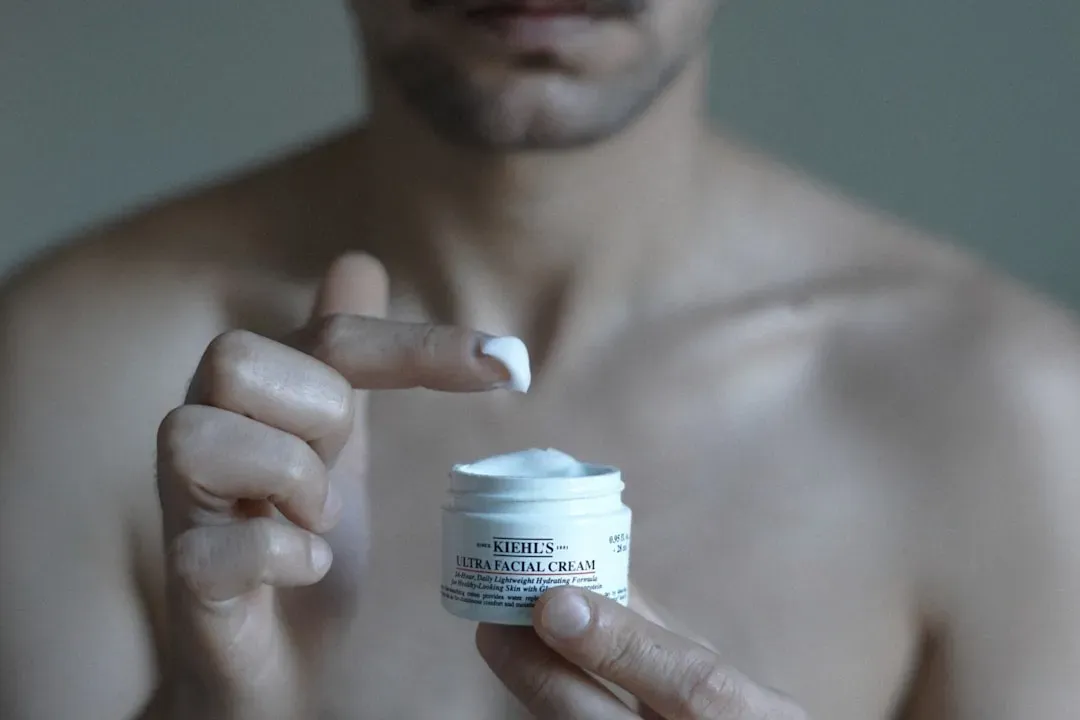
Start with three products: a gentle cleanser, a moisturizer with SPF for daytime, and a retinoid for nighttime. That's it for the first month. Daily sunscreen use is the single most important thing you can do for skin health and appearance (according to the American Academy of Dermatology).
Use a broad-spectrum SPF 30 or higher every morning, even on cloudy days, even in winter. UV radiation causes 90% of visible aging signs. Most men skip this step and wonder why their skin looks weathered by 50.
Add a retinoid product (tretinoin requires prescription, adapalene is available over-the-counter) after your skin adjusts to the basic routine. Retinoids increase collagen production and reduce fine wrinkles through well-documented mechanisms. Start with twice-weekly application to avoid irritation, then increase to nightly use over 4-6 weeks.
For men over 40 dealing with sun damage, texture issues, or visible aging, this combination delivers measurable results within 12 weeks. Your skin will look smoother, more even-toned, and healthier. Not miraculous, just noticeably better.
Common mistakes: using harsh scrubs (they damage skin), skipping moisturizer because you think it's "too feminine" (dry skin looks worse), and expecting overnight results (skin turnover takes 28 days minimum).
Hair and Facial Hair Optimization
Get a professional haircut from a barber who works with your face shape, not against it. Round faces benefit from height and volume on top, square faces can handle more varied styles, longer faces need some width on the sides. A skilled barber understands these principles instinctively.
For thinning hair, shorter styles almost always look better than attempting to hide it with length. Embrace the reality and work with what you have. If you're diffusely thinning, a tight crop or buzz cut often looks more intentional and masculine than wispy longer hair.
Facial hair should enhance your facial structure. If you have a weak jawline, a well-groomed beard adds definition (though losing body fat addresses the root cause). If you have a strong jaw, you can go either way. Keep edges clean, maintain consistent length, and invest in a quality trimmer.
For hair health, use a gentle shampoo 3-4 times weekly, not daily. Over-washing strips natural oils and can worsen scalp conditions. If you're experiencing hair loss, see a dermatologist before spending hundreds on supplements that probably won't help.
Details That Make a Difference
Eyebrow grooming is non-negotiable after 40. Remove the unibrow if you have one, trim any unusually long hairs, and clean up the area between your brows and upper eyelids. Don't reshape them dramatically, just maintain clean lines. Most barbers will do this during a haircut if you ask.
Dental hygiene affects both appearance and health. Brush twice daily, floss once daily, see your dentist twice yearly. For whitening, professional treatments work better than strips, but even strips provide noticeable improvement over 2-3 weeks. Yellow teeth age your appearance significantly.
Keep nails trimmed and clean. Check for ear and nose hair weekly and trim as needed, this becomes more necessary with age. These seem like minor details, but accumulated minor details create the impression of someone who has his act together versus someone who doesn't.
Fitness and Posture: Building an Athletic Silhouette
You don't need to become a bodybuilder, but you do need to build proportionate muscle and correct postural issues that make you look older and less confident than you are.
Strategic Muscle Building for Appearance
Focus on shoulders, back, and arms for the most noticeable improvements in how clothes fit and how you carry yourself. A wider shoulder-to-waist ratio creates a more athletic silhouette regardless of your age or starting point.
Three resistance training sessions weekly is sufficient for most men over 40. Prioritize compound movements: overhead press, rows, pull-ups or lat pulldowns, and some direct arm work. You're not training for strength competition, you're building proportionate muscle that improves your overall appearance.
Recovery becomes more important after 40. You can't train with the same frequency and intensity as someone half your age without increased injury risk. Take rest days seriously, prioritize sleep, and consider working with a trainer who understands age-appropriate programming.
Expect noticeable muscle development within 12-16 weeks of consistent training. Your clothes will fit better across the shoulders and chest, you'll look more substantial in photos, and you'll carry yourself differently. The posture improvements alone are worth the effort.
Posture Correction and Its Impact
Upright posture significantly increases ratings of attractiveness, confidence, and social dominance (according to research on posture and social perception). Poor posture makes you look older, less confident, and physically smaller than you actually are.
Most men over 40 have some degree of forward head posture and rounded shoulders from years of desk work and screen time. This is correctible through targeted exercises and awareness, postural interventions show measurable improvements after 4-8 weeks of consistent practice.
Daily routine: chin tucks (20 reps), wall angels (15 reps), and band pull-aparts (20 reps). These take five minutes and address the most common postural issues. Additionally, set hourly reminders to check your posture during the workday.
The impact is immediate once you develop the habit. You'll appear taller, more confident, and more physically present. People respond differently to someone with good posture versus someone who's perpetually slouched.
The Truth About Facial Exercises
Mewing, jaw exercises, and other facial exercise protocols promise to reshape your facial structure through muscle development or bone remodeling. The evidence supporting these claims is weak to nonexistent for adults.
Your facial bone structure is set after adolescence. Tongue posture isn't going to widen your palate or change your jawline at 45. Some facial exercises might provide minor muscle tone improvements, but nothing dramatic enough to justify the time investment.
The one exception: general neck strengthening can improve the appearance of your neck and jawline area, particularly if you've lost significant weight. But specific "jaw exercises" promising bone restructuring? Skip them.
Style Upgrades and Professional Presentation
Everything above means nothing if you're wearing ill-fitting clothes and presenting yourself poorly. Style isn't about fashion trends, it's about looking intentional and put-together.
Fit is everything. Clothes should follow your body's lines without being tight or baggy. Shoulders should sit at your natural shoulder line, sleeves should end at your wrist bone, pants should have a slight break at the shoe. If you're unsure, find a tailor and have them adjust your key pieces.
Build a versatile wardrobe around neutral colors: navy, grey, white, and one accent color that works with your skin tone. You need well-fitting jeans, chinos, button-down shirts, and a blazer that actually fits. Quality basics beat trendy pieces every time.
Accessories signal attention to detail. A decent watch (doesn't need to be expensive, just appropriate), a leather belt that matches your shoes, and shoes that are clean and in good repair. These details separate men who care about their presentation from those who don't.
Fragrance should be subtle. One or two sprays maximum, applied to pulse points. You want people to notice it when they're close to you, not when they're across the room. Find one signature scent and stick with it rather than constantly switching.
The goal is looking like someone who has his life together, someone who pays attention to details and presents himself with intention. That impression opens doors professionally and socially in ways that are difficult to quantify but impossible to ignore.
I'll never forget the woman at a networking event who leaned in during our conversation and said, "You always smell amazing—what is that?" It was the first time I realized how powerful a subtle, consistent fragrance could be for making a memorable impression. I'd been wearing the same woody cedar scent for six months, just two sprays on my neck each morning, and suddenly people were associating that specific scent with me. That one compliment led to an extended conversation and eventually a valuable business connection I still maintain today.
Look, none of this is revolutionary. But the combination of proper sleep, targeted nutrition, consistent skincare, strategic fitness, and intentional presentation creates compound effects that genuinely transform how you look and how others perceive you. Start with the foundations, build sustainable habits, and give yourself 12 weeks before evaluating results. The changes won't be dramatic on a daily basis, but compare photos from month one to month three and you'll see the difference.
Related Articles
- Looksmaxxing Definition: What Does Looksmaxing Mean?
- Looksmaxxing: What to Do First (Beginner Checklist)
- The Ultimate Looksmaxxing Guide: Step-by-Step Improvement Plan
- Looksmaxxing Chart for Men: Male Rating Scale Explained
- Jawline Improvement: Bone Smashing, Exercises & Surgery Guide
- PSL Rating System: Understanding PSL Score & Attractiveness Scale
Frequently Asked Questions
How long does it actually take to see visible results from looksmaxxing?
You can expect noticeable improvements in skin clarity, jawline definition, and posture within 8-12 weeks of consistent effort. However, building significant muscle takes 6-12 months, reversing sun damage requires 6-18 months with retinoids, and developing a complete wardrobe is an ongoing process. The key is treating this as a long-term project rather than expecting rapid transformation.
What's the ideal body fat percentage for facial definition?
Aim for 12-18% body fat to achieve optimal facial definition. At this range, your face will show better jawline and cheekbone definition because your body stores less adipose tissue in the facial area. However, this range varies slightly by individual genetics and should be approached as a target range rather than an exact number.
Does mewing or facial exercises actually reshape your face?
No. Mewing (tongue posture exercises) and most facial exercises claiming to reshape bone structure lack scientific evidence and won't restructure your facial anatomy. While some may provide minor benefits, they're not a foundation of effective appearance improvement and shouldn't be prioritized over proven strategies like skincare, fitness, and body composition management.
What's the most important skincare routine for looksmaxxing?
The essentials are consistent use of retinoids (which increase collagen and reduce wrinkles) and daily SPF sunscreen (which prevents 90% of visible aging signs according to the American Academy of Dermatology). These two components address the physiological mechanisms of skin aging and should form the foundation of any skincare protocol.
Can looksmaxxing change bone structure, height, or genetic hair loss?
No. Lifestyle modifications cannot change your bone structure, height, fundamental facial proportions, or reverse genetic hair loss patterns. However, you can optimize what you have through better grooming, posture correction (which makes you appear taller), and maximizing the hair you do have. Accepting these limitations helps you focus energy on variables you actually control.
How does sleep quality affect appearance?
Sleep deprivation directly causes visible facial changes including hanging eyelids, swollen eyes, darker circles, and more wrinkles, according to NIH research. Since your skin regenerates during sleep cycles, prioritizing sleep quality is one of the most impactful—and free—appearance improvements you can make.
What's more important: intensity or consistency in a looksmaxxing routine?
Consistency beats intensity every time. Men who see the best results build sustainable habits rather than following extreme protocols they abandon within weeks. Treat looksmaxxing as a long-term lifestyle project with moderate, maintainable effort rather than a short-term intensive challenge.